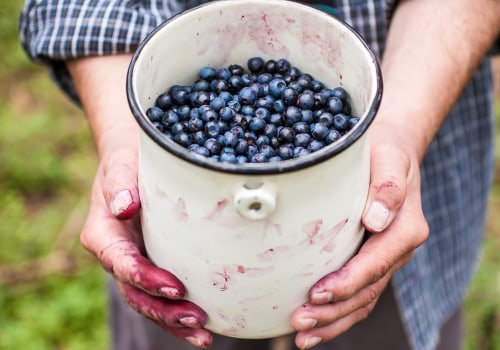
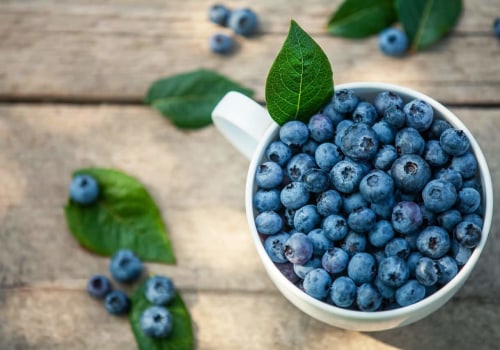
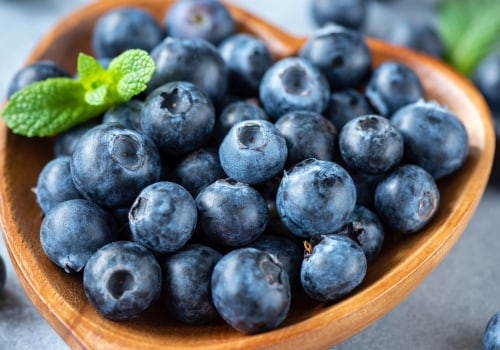
A clearer view of bilberry.
The Power of Bilberry: Unlocking Heart Health Benefits
Discover the heart health benefits of bilberry, a nutrient-rich fruit packed with antioxidants that support cardiovascular wellness.
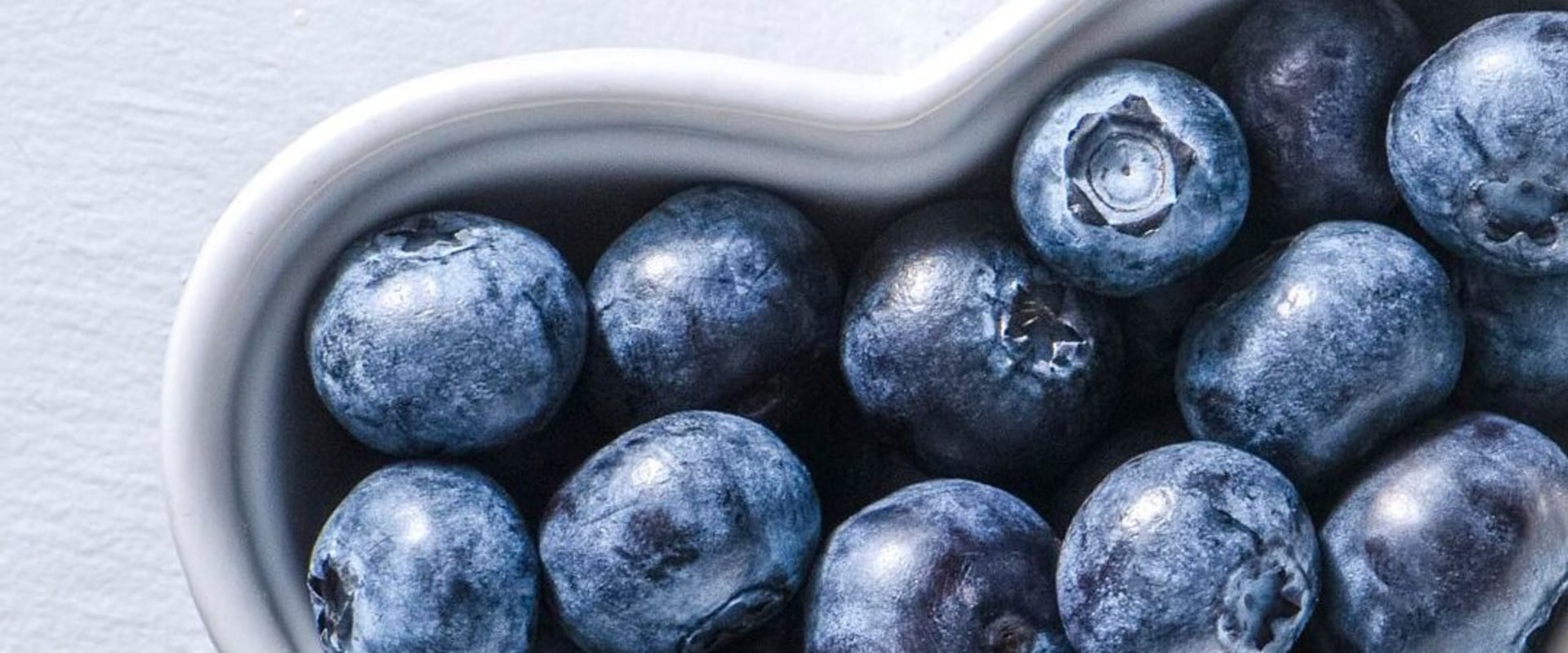
Bilberry, often overshadowed by its more popular cousin, the blueberry, is a small, dark blue fruit that has been cherished for centuries, particularly in Europe. Known scientifically as Vaccinium myrtillus, bilberry is not only a delicious addition to various dishes but also a powerhouse of nutrients that can significantly contribute to overall health. This berry thrives in the wild, typically found in acidic soils across forests and heathlands, and has been utilized in traditional medicine for its numerous health benefits. The nutritional profile of bilberry is impressive. These tiny berries are packed with essential vitamins and minerals, including vitamin C, vitamin K, and manganese.
They are also rich in dietary fiber, which aids digestion and promotes a healthy gut. However, what truly sets bilberries apart are their high concentrations of anthocyanins , the antioxidants responsible for their vibrant color. These compounds not only give bilberries their deep hue but also play a crucial role in combating oxidative stress within the body. Understanding the bilberry benefits begins with recognizing its rich antioxidant content. Antioxidants are vital for neutralizing free radicals—unstable molecules that can cause cellular damage and contribute to chronic diseases, including heart disease.
By incorporating bilberries into your diet, you may harness these protective properties to support heart health and overall well-being. As we delve deeper into the specific health benefits of bilberry, particularly its impact on cardiovascular health, it becomes clear that this humble berry deserves a prominent place in our diets. From its origins to its nutritional value, bilberry is not just a fruit; it is a natural ally in the quest for better health.
The Heart-Healthy Compounds in Bilberry
Bilberries are not just a delicious fruit; they are also packed with a variety of compounds that contribute significantly to heart health. Among these, anthocyanins and polyphenols stand out as the most beneficial components.Understanding Anthocyanins
Anthocyanins are a type of flavonoid pigment that gives bilberries their rich blue color. These powerful antioxidants play a crucial role in protecting the body from oxidative stress, which can lead to chronic diseases, including heart disease.Research has shown that anthocyanins can:
- Reduce Inflammation: Chronic inflammation is a significant risk factor for cardiovascular diseases. Anthocyanins help lower inflammatory markers in the body, thereby reducing the risk of heart-related issues.
- Improve Blood Vessel Function: These compounds enhance endothelial function, which is vital for maintaining healthy blood vessels. Improved endothelial function can lead to better blood flow and lower blood pressure.
- Lower Cholesterol Levels: Studies indicate that anthocyanins can help decrease levels of LDL (bad) cholesterol while increasing HDL (good) cholesterol, contributing to a healthier lipid profile. Studies indicate that anthocyanins can help decrease levels of LDL (bad) cholesterol while increasing HDL (good) cholesterol, contributing to a healthier lipid profile.
The Role of Polyphenols
Polyphenols are another group of antioxidants found in bilberries that offer numerous health benefits. They are known for their ability to combat oxidative stress and inflammation, which are both linked to heart disease.The specific benefits of polyphenols include:
- Enhancing Heart Health: Polyphenols have been shown to improve heart health by promoting better circulation and reducing blood pressure.
- Regulating Blood Sugar Levels: These compounds can help stabilize blood sugar levels, which is particularly beneficial for individuals with diabetes—a condition that significantly increases the risk of heart disease.
- Supporting Weight Management: Maintaining a healthy weight is crucial for heart health, and polyphenols may aid in weight management by influencing fat metabolism.
How Bilberry Supports Cardiovascular Health
Bilberry, a small but potent fruit, has garnered attention for its remarkable heart health benefits. This tiny berry is packed with nutrients and compounds that can significantly contribute to cardiovascular wellness.One of the primary ways bilberry supports heart health is through its ability to lower cholesterol levels. High levels of LDL (low-density lipoprotein) cholesterol, often referred to as "bad" cholesterol, are a major risk factor for cardiovascular diseases. Bilberries contain anthocyanins, which are powerful antioxidants that have been shown to help reduce LDL cholesterol levels in the bloodstream. By decreasing the amount of LDL cholesterol, bilberries can help prevent the buildup of plaque in the arteries, thereby reducing the risk of heart attacks and strokes. In addition to lowering LDL cholesterol, bilberries also play a role in increasing HDL (high-density lipoprotein) cholesterol, known as "good" cholesterol. HDL cholesterol helps transport excess cholesterol away from the arteries and back to the liver for excretion.
This dual action of lowering bad cholesterol while boosting good cholesterol makes bilberry an excellent ally in maintaining a healthy cardiovascular system. Another significant aspect of bilberry's impact on heart health is its ability to manage blood pressure. Studies have indicated that regular consumption of bilberries can lead to reductions in both systolic and diastolic blood pressure. This effect is attributed to the vasodilatory properties of anthocyanins, which help relax blood vessels and improve blood flow. By promoting better circulation and reducing blood pressure, bilberries can further decrease the risk of developing serious cardiovascular conditions. Moreover, bilberries are rich in vitamin K, which plays a crucial role in maintaining proper blood clotting mechanisms.
Adequate levels of vitamin K can help prevent excessive clot formation that could lead to heart attacks or strokes. This nutrient works synergistically with the antioxidants found in bilberries to enhance overall cardiovascular function. Incorporating bilberries into your diet can be simple and enjoyable. They can be consumed fresh, added to smoothies, or used as toppings for yogurt and oatmeal. However, it’s essential to consume them as part of a balanced diet rich in fruits, vegetables, whole grains, and lean proteins for optimal heart health. In conclusion, the benefits of bilberry for cardiovascular health are multifaceted.
From lowering harmful cholesterol levels and managing blood pressure to supporting healthy blood clotting mechanisms, this small berry packs a powerful punch against cardiovascular disease. As research continues to unfold, incorporating bilberries into your daily routine may be a delicious way to support your heart health.
Scientific Studies on Bilberry and Heart Health
Numerous scientific studies and clinical trials have explored the potential benefits of bilberry on heart health, providing a foundation for understanding how this fruit may contribute to cardiovascular wellness. One of the most significant areas of research focuses on the impact of bilberry anthocyanins, which are potent antioxidants that can influence various cardiovascular risk factors. In a randomized controlled trial published in the Journal of Nutrition, researchers investigated the effects of bilberry extract on blood pressure and cholesterol levels in adults with elevated cardiovascular risk. Participants who consumed bilberry extract daily for eight weeks showed a notable reduction in systolic and diastolic blood pressure compared to the placebo group.Additionally, there was a significant decrease in LDL (bad) cholesterol levels, suggesting that bilberry may help improve lipid profiles. Another study published in The American Journal of Clinical Nutrition examined the effects of whole bilberries on endothelial function, which is crucial for maintaining vascular health. The study found that participants who consumed bilberries experienced improved endothelial function, indicating enhanced blood flow and reduced arterial stiffness. This is particularly important as endothelial dysfunction is a precursor to various cardiovascular diseases. Furthermore, a meta-analysis that reviewed multiple studies concluded that regular consumption of berries, including bilberries, is associated with a lower risk of heart disease. The analysis highlighted that the bioactive compounds in bilberries could play a role in reducing inflammation and oxidative stress, both of which are linked to heart disease. Despite these promising findings, it is essential to note that many studies have been conducted on animal models or in vitro settings.
While these studies provide valuable insights into the mechanisms by which bilberry may benefit heart health, more extensive human trials are necessary to confirm these effects and establish optimal dosages. In summary, current research supports the idea that bilberry can positively influence heart health through its effects on blood pressure, cholesterol levels, and endothelial function. As more clinical trials are conducted, we can expect to gain a clearer understanding of how incorporating bilberries into our diets can serve as a natural strategy for promoting cardiovascular health.
Incorporating Bilberry into Your Diet
Incorporating bilberry into your daily diet can be both enjoyable and beneficial for your heart health. Here are some practical ways to include this nutrient-rich fruit in your meals:How to Eat Bilberries
Bilberries can be consumed in various forms, including fresh, dried, or as supplements. Here are some suggestions:-
Fresh Bilberries: Enjoy them raw as a snack or add them to your breakfast.
They pair well with yogurt, oatmeal, or smoothies.
- Dried Bilberries: Use dried bilberries in trail mixes or sprinkle them on salads for a sweet and tangy flavor.
- Bilberry Juice: Look for 100% pure bilberry juice, which can be consumed on its own or mixed with other fruit juices.
- Bilberry Supplements: If fresh or dried bilberries are not available, consider taking bilberry extract capsules after consulting with a healthcare professional.
Delicious Bilberry Recipes
Here are a few simple recipes that highlight the flavor and health benefits of bilberries:- Bilberry Smoothie: Blend 1 cup of fresh or frozen bilberries with 1 banana, 1 cup of spinach, and 1 cup of almond milk for a nutritious breakfast or snack.
- Bilberry Oatmeal: Cook oatmeal according to package instructions and stir in ½ cup of bilberries. Top with a drizzle of honey and a sprinkle of cinnamon for added flavor.
- Bilberry Muffins: Incorporate bilberries into your favorite muffin recipe. Simply fold in 1 cup of bilberries before baking for a delightful treat.
- Bilberry Salad Dressing: Create a refreshing salad dressing by blending ¼ cup of bilberries with 2 tablespoons of balsamic vinegar, 1 tablespoon of olive oil, and a pinch of salt.
Dietary Sources of Bilberry
If you're looking to boost your intake of bilberry without relying solely on fresh fruit, consider these dietary sources:- Baked Goods: Many health food stores offer baked goods made with bilberry flour or extracts.
- Cereals and Granola: Some breakfast cereals and granola mixes include bilberries as an ingredient.
- Sauces and Jams: Look for jams or sauces that feature bilberries; these can be used as spreads or toppings.
Potential Side Effects and Interactions of Bilberry
While bilberry is celebrated for its numerous health benefits, it is essential to be aware of potential side effects and interactions with medications.Understanding these aspects can help ensure safe consumption and maximize the positive effects of this powerful fruit.
Possible Side Effects
- Gastrointestinal Issues: Some individuals may experience mild gastrointestinal discomfort, including nausea, diarrhea, or stomach cramps after consuming bilberry. These symptoms are generally rare and can often be mitigated by consuming bilberries in moderation.
- Allergic Reactions: Although uncommon, allergic reactions to bilberry can occur. Symptoms may include itching, swelling, or difficulty breathing. If you experience any of these symptoms after consuming bilberry, seek medical attention immediately.
-
Blood Sugar Levels: Bilberry may lower blood sugar levels, which can be a concern for individuals with diabetes or those taking medications that affect blood sugar.
Monitoring blood sugar levels closely is advisable when incorporating bilberry into your diet.
Drug Interactions
Bilberry can interact with certain medications, which may alter their effectiveness or increase the risk of side effects. Here are some key interactions to consider:
- Anticoagulants: Bilberry has blood-thinning properties due to its vitamin K content. If you are taking anticoagulant medications such as warfarin or aspirin, consult your healthcare provider before adding bilberry to your diet to avoid potential complications.
- Diabetes Medications: As mentioned earlier, bilberry may lower blood sugar levels. If you are on diabetes medications like insulin or metformin, it is crucial to discuss the addition of bilberry with your doctor to prevent hypoglycemia.
-
Antihypertensive Drugs: Bilberry's ability to lower blood pressure could enhance the effects of antihypertensive medications.
This interaction necessitates careful monitoring of blood pressure levels and possible adjustments in medication dosages.
Consulting Healthcare Professionals
Given the potential for side effects and drug interactions, it is vital to consult with a healthcare professional before incorporating bilberry into your diet, especially if you have existing health conditions or are taking medications. A healthcare provider can offer personalized advice based on your health history and current medications, ensuring that you can safely enjoy the benefits of bilberry without adverse effects. In summary, while bilberry offers promising health benefits for heart health and beyond, awareness of its potential side effects and interactions is crucial for safe consumption. Always prioritize safety by seeking professional guidance when considering new dietary additions.
Frequently Asked Questions About Bilberry and Heart Health
As interest in natural remedies grows, many people have questions about the benefits of bilberry for heart health. Below are some frequently asked questions that can help clarify common misconceptions and provide valuable insights.What is bilberry, and how does it differ from blueberries?
Bilberry is a small, dark blue fruit that is often confused with blueberries.While they belong to the same family, bilberries are typically smaller and have a more intense flavor. They are rich in antioxidants, particularly anthocyanins, which are responsible for their deep color and numerous health benefits.
How do bilberries contribute to heart health?
Bilberries are known for their high content of anthocyanins, which have been shown to improve cardiovascular health by:- Reducing inflammation in blood vessels
- Lowering levels of LDL (bad) cholesterol
- Increasing HDL (good) cholesterol
- Improving blood circulation
- Regulating blood pressure
Can bilberry supplements be as effective as fresh bilberries?
While both fresh bilberries and supplements can offer health benefits, the effectiveness may vary based on the concentration of active compounds. Supplements often contain higher doses of anthocyanins, making them a potent option for those looking to enhance their heart health. However, it’s essential to choose high-quality supplements and consult with a healthcare provider before starting any new regimen.Are there any side effects associated with bilberry consumption?
Bilberries are generally safe for most people when consumed in moderation.However, excessive intake may lead to digestive issues or interact with certain medications, particularly blood thinners or diabetes medications. It’s advisable to consult a healthcare professional if you have underlying health conditions or are taking medications.
How can I incorporate bilberries into my diet?
Incorporating bilberries into your diet can be simple and enjoyable. Here are some ideas:- Add fresh bilberries to smoothies or yogurt.
- Use them as a topping for oatmeal or pancakes.
- Incorporate dried bilberries into trail mixes or baked goods.
- Enjoy bilberry tea for a soothing beverage.
Conclusion: The Heart-Healthy Power of Bilberry
In summary, the benefits of bilberry for heart health are both compelling and scientifically supported. This small, dark berry is not just a delicious addition to your diet; it is a powerhouse of nutrients that can significantly contribute to cardiovascular well-being.The rich content of vitamin K in bilberries plays a vital role in preventing blood clot formation, which is crucial for reducing the risk of heart attacks and strokes. Moreover, the presence of anthocyanins—natural compounds responsible for the berry's vibrant color—offers numerous health advantages. These antioxidants have been shown to lower cholesterol levels and blood pressure, two major risk factors for heart disease. By incorporating bilberries into your daily routine, you may help improve your overall heart health and reduce the likelihood of developing cardiovascular issues. While research continues to explore the full extent of bilberry's effects on human health, existing studies indicate that regular consumption can lead to favorable outcomes. For instance, individuals who include bilberries in their diets often experience lower levels of LDL (bad) cholesterol and higher levels of HDL (good) cholesterol.
This balance is essential for maintaining a healthy heart. It is important to remember that moderation is key. Although bilberries are beneficial, they should be consumed as part of a balanced diet. Pairing them with other heart-healthy foods such as whole grains, nuts, and leafy greens can amplify their positive effects. In conclusion, if you are looking for a natural way to support your heart health, consider adding bilberries to your meals or snacks. Whether enjoyed fresh, in smoothies, or as part of a dessert, these berries can be a delightful and nutritious choice.
As always, consult with a healthcare professional before making significant dietary changes, especially if you have existing health conditions or are on medication.