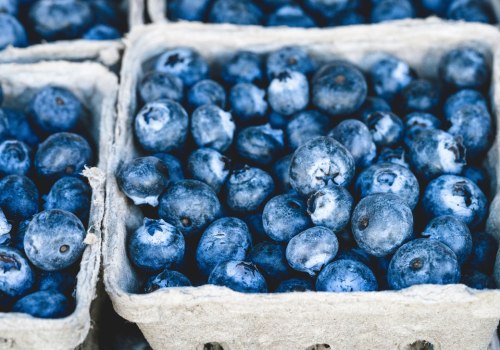
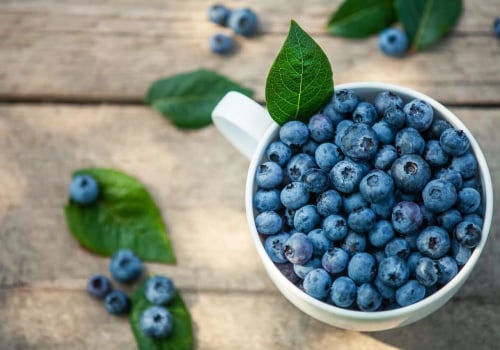
A clearer view of bilberry.
The Power of Bilberry: Unlocking Its Health Benefits and Optimal Usage Duration
Discover the health benefits of bilberry and learn how long to take it for optimal results. Unlock the power of this superfruit today!
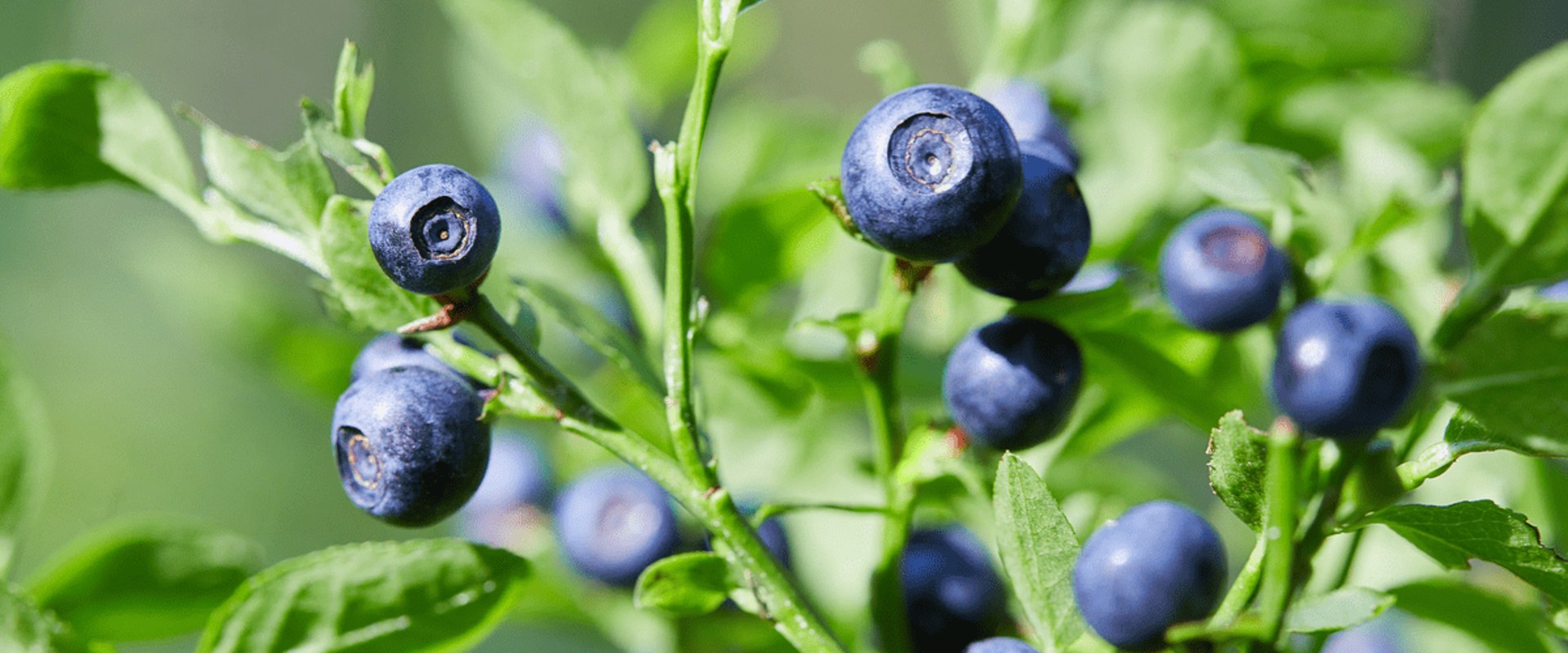
Bilberry, often referred to as the European blueberry, is a small, dark blue fruit that has captured the attention of herbalists and health enthusiasts alike. This berry, native to Europe, has a rich history of use in traditional medicine, where it was valued not only for its delightful flavor but also for its remarkable health benefits. As we delve into the world of bilberry, it becomes clear that this unassuming fruit holds a treasure trove of potential advantages for our well-being. Historically, bilberry has been utilized for centuries to address various ailments. Ancient herbalists recognized its potential in improving vision and treating digestive issues.
In fact, during World War II, pilots were reported to consume bilberry jam to enhance their night vision. This anecdote highlights the berry's long-standing reputation as a natural remedy. Today, with the rise of interest in natural health solutions, bilberry is experiencing a resurgence in popularity as more people seek out its numerous health benefits . The primary active compounds found in bilberry are anthocyanins, which are responsible for its vibrant color and potent antioxidant properties. These compounds help combat oxidative stress in the body, which is linked to various chronic diseases such as heart disease and diabetes.
Furthermore, research suggests that bilberry may support eye health, improve circulation, and even aid in blood sugar management. As we explore the multifaceted benefits of bilberry, it becomes evident that incorporating this berry into our diets could be a simple yet effective way to enhance our overall health. In this article, we will not only uncover the extensive benefits of bilberry but also discuss how long one should consider taking it to experience these advantages fully. Whether you are new to herbal remedies or looking to expand your knowledge on natural health solutions, understanding bilberry's significance is an essential step toward harnessing its full potential.
What is Bilberry?
Bilberry, scientifically known as Vaccinium myrtillus, is a small, dark blue fruit that belongs to the Ericaceae family. This plant is often confused with its more commonly known relative, the blueberry (Vaccinium corymbosum), but there are distinct differences between the two.While both fruits share similar appearances and health benefits, bilberries are typically smaller, darker, and have a more intense flavor compared to blueberries. The bilberry plant is a low-growing shrub that thrives in acidic soils, often found in forests and heathlands across Europe and parts of Asia. It prefers cooler climates and is commonly found in regions such as Scandinavia, the British Isles, and the Alps. The plant typically reaches a height of 12 to 24 inches and produces bell-shaped flowers that bloom in spring, followed by the ripening of its berries in late summer. One of the key differences between bilberries and blueberries lies in their nutritional profiles. Bilberries are particularly rich in anthocyanins, the antioxidants responsible for their deep blue color.
These compounds are believed to contribute significantly to the health benefits associated with bilberry consumption, including improved vision and enhanced cardiovascular health. In contrast, blueberries contain a different balance of antioxidants and nutrients. Another notable distinction is that bilberries have a thinner skin than blueberries, which allows for a juicier texture. This characteristic also means that bilberries are more perishable than their blueberry counterparts, making them less commercially available outside their native regions. In summary, understanding the botanical classification and characteristics of bilberry is essential for appreciating its unique benefits. As a fruit deeply rooted in traditional medicine, bilberry continues to gain recognition for its potential health-promoting properties.
Nutritional Profile of Bilberry
Bilberries are not only delicious but also packed with a variety of essential nutrients that contribute to their health benefits.Understanding the nutritional profile of bilberries can help you appreciate why they are considered a superfood.
Vitamins in Bilberry
- Vitamin C: Bilberries are an excellent source of vitamin C, which is crucial for immune function, skin health, and antioxidant protection. A single serving can provide a significant percentage of the daily recommended intake.
- Vitamin A: This vitamin is important for maintaining healthy vision and skin. Bilberries contain beta-carotene, which the body converts into vitamin A.
- B Vitamins: Bilberries also contain several B vitamins, including B1 (thiamine), B2 (riboflavin), and B3 (niacin), which play vital roles in energy metabolism and overall cellular function.
Minerals in Bilberry
- Manganese: This trace mineral is essential for bone formation, blood sugar control, and antioxidant defenses. Bilberries provide a good amount of manganese, supporting metabolic processes.
- Iron: While not as high as some other fruits, bilberries do contain iron, which is necessary for oxygen transport in the blood and energy production.
-
Potassium: Important for heart health and muscle function, potassium helps regulate blood pressure.
Bilberries contribute to your daily potassium intake.
Antioxidants in Bilberry
The most notable antioxidants found in bilberries are anthocyanins, which give the fruit its deep blue color. These compounds are known for their ability to combat oxidative stress and inflammation in the body. Research suggests that anthocyanins may help improve cardiovascular health, enhance cognitive function, and reduce the risk of chronic diseases. In summary, bilberries are a nutrient-dense fruit that offers a wide array of vitamins, minerals, and antioxidants. Incorporating bilberries into your diet can provide numerous health benefits while also satisfying your taste buds.
Health Benefits of Bilberry
Bilberry, often referred to as the European blueberry, is not just a delicious fruit; it is also packed with numerous health benefits that have been recognized for centuries.One of the most significant aspects of bilberry is its antioxidant properties , primarily attributed to a group of compounds known as anthocyanins. These antioxidants play a crucial role in neutralizing free radicals in the body, which can cause oxidative stress and lead to various chronic diseases. Research has shown that the high levels of anthocyanins in bilberries can help protect cells from damage, potentially reducing the risk of conditions such as heart disease and cancer. By incorporating bilberry into your diet, you may enhance your body's ability to combat oxidative stress, thereby promoting overall health.
Bilberry for Vision
Another remarkable benefit of bilberry is its positive impact on vision health. Traditionally, bilberries have been used to improve eyesight and support eye health.Studies suggest that the anthocyanins in bilberries may help improve night vision and reduce eye fatigue. This is particularly beneficial for individuals who spend long hours in front of screens or those who experience visual strain. Moreover, bilberry extracts have been linked to improved circulation in the capillaries of the eyes, which can aid in preventing conditions such as macular degeneration and cataracts. Regular consumption of bilberry may thus serve as a natural way to maintain optimal eye health.
Cardiovascular Health
The benefits of bilberry extend beyond vision; they also encompass cardiovascular health. The antioxidants found in bilberries can help lower blood pressure and improve cholesterol levels, contributing to better heart health.By reducing inflammation and oxidative stress within the cardiovascular system, bilberries may help prevent atherosclerosis—a condition characterized by the hardening and narrowing of arteries.
Blood Sugar Control
In addition to its cardiovascular benefits, bilberry has shown promise in aiding blood sugar control. Some studies indicate that bilberry extracts can enhance insulin sensitivity and help regulate blood sugar levels. This makes it a potentially valuable addition for individuals managing diabetes or those at risk of developing this condition. In summary, the health benefits of bilberry are extensive and varied. From its powerful antioxidant properties to its positive effects on vision, cardiovascular health, and blood sugar regulation, incorporating this superfruit into your diet can be a proactive step towards enhancing your overall well-being.The Role of Anthocyanins in Bilberries
Bilberries are renowned not only for their delightful flavor but also for their vibrant hue, which is primarily attributed to a group of compounds known as anthocyanins.These water-soluble pigments belong to the flavonoid class of phytochemicals and are responsible for the deep blue and purple colors found in various fruits and vegetables. In bilberries, anthocyanins play a crucial role in providing numerous health benefits, making them a significant focus of research in the field of nutrition and herbal medicine.
Health Effects of Anthocyanins
The health effects of anthocyanins are extensive, with studies suggesting that these compounds possess potent antioxidant properties. Antioxidants are vital for combating oxidative stress in the body, which can lead to cellular damage and contribute to chronic diseases such as heart disease, diabetes, and cancer. By neutralizing free radicals—unstable molecules that can cause harm—anthocyanins help protect our cells and maintain overall health.
Research has indicated that anthocyanins may also have anti-inflammatory effects.
Chronic inflammation is linked to various health issues, including obesity and metabolic syndrome. By reducing inflammation, anthocyanins can potentially lower the risk of developing these conditions.
Specific Benefits of Anthocyanins
- Vision Health: One of the most well-documented benefits of anthocyanins is their positive impact on eye health. They have been shown to improve night vision and may help prevent age-related macular degeneration (AMD) by protecting retinal cells from oxidative damage.
- Cardiovascular Support: Anthocyanins contribute to heart health by improving endothelial function, reducing blood pressure, and lowering LDL cholesterol levels. These effects collectively support cardiovascular health and reduce the risk of heart disease.
- Blood Sugar Regulation: Some studies suggest that anthocyanins may enhance insulin sensitivity and help regulate blood sugar levels, making them beneficial for individuals with diabetes or those at risk of developing the condition.
- Cognitive Function: Emerging research indicates that anthocyanins may support brain health by improving cognitive function and potentially reducing the risk of neurodegenerative diseases such as Alzheimer’s.
Incorporating bilberries into your diet can be a delicious way to harness the power of these remarkable compounds, promoting overall well-being while enjoying their unique flavor.
Recommended Duration for Taking Bilberry
When considering the duration of bilberry use, it is essential to tailor your approach based on individual health goals and conditions. The effectiveness of bilberry can vary significantly depending on the specific health issue you are addressing, the form of bilberry you choose, and the dosage you follow.Health Goals and Duration
- Vision Improvement: If your primary goal is to enhance vision, particularly in cases of night blindness or general eye health, a duration of 4 to 6 weeks is often recommended. This timeframe allows the body to absorb the beneficial compounds in bilberry, particularly anthocyanins, which are known for their positive effects on eye health.
- Blood Sugar Management: For those looking to manage blood sugar levels, studies suggest that taking bilberry consistently for at least 8 weeks may yield noticeable results. This extended duration helps in stabilizing blood glucose levels and improving insulin sensitivity.
-
General Health Supplementation: If you are incorporating bilberry into your diet as a general health supplement, it is generally safe to consume for a longer duration.
Many individuals take bilberry daily for several months or even longer without adverse effects.
Forms of Bilberry and Their Impact on Duration
The form in which you consume bilberry can also influence how long you should take it:
- Fresh or Dried Berries: These can be enjoyed daily as part of a balanced diet. There are no strict limits on duration when consuming whole berries, making them an excellent option for long-term use.
- Billyberry Extracts and Supplements: When using concentrated forms such as extracts or capsules, it is crucial to adhere to the dosage recommendations provided on the product label. Typically, these products suggest a duration of 4 to 12 weeks, depending on the concentration and intended use.
Consultation with Healthcare Professionals
Before starting any new supplement regimen, including bilberry, it is advisable to consult with a healthcare professional. They can provide personalized recommendations based on your health history and current medications, ensuring that you achieve the best results while minimizing any potential risks.
Forms of Bilberry: Fresh Berries vs.
Supplements Bilberry is available in various forms, each offering unique benefits and considerations. Understanding these differences can help you choose the most suitable option for your health needs.
Fresh Bilberries
Fresh bilberries are often considered the most natural form of this fruit. They are rich in vitamins, minerals, and antioxidants, particularly anthocyanins, which are responsible for their deep blue color and numerous health benefits.-
Pros:
- High nutritional value: Fresh bilberries contain a wide range of nutrients that can support overall health.
- Natural source of antioxidants: The antioxidants in fresh bilberries can help combat oxidative stress and inflammation.
- Versatile usage: They can be eaten raw, added to smoothies, or used in cooking and baking.
-
Cons:
- Seasonal availability: Fresh bilberries may not be available year-round, depending on your location.
- Perishability: They have a short shelf life and need to be consumed quickly to avoid spoilage.
Dried Bilberries
Dried bilberries offer a convenient alternative to fresh ones. They retain many of the beneficial compounds found in fresh berries but have a longer shelf life.-
Pros:
- Longer shelf life: Dried bilberries can be stored for months without spoiling.
- Easy to incorporate: They can be added to cereals, trail mixes, or baked goods for added flavor and nutrition.
-
Cons:
- Potential loss of nutrients: Some vitamins may degrade during the drying process.
- Sugar content: Dried fruits often have added sugars, which can increase calorie intake.
Bilberry Extracts and Supplements
Bilberry extracts and supplements are concentrated forms that provide a higher dose of active compounds compared to fresh or dried berries.These products are often marketed for specific health benefits, such as improved vision or enhanced circulation.
-
Pros:
- Concentrated dosage: Extracts can deliver a potent amount of anthocyanins and other beneficial compounds in a small serving size.
- Standardized formulations: Many supplements are standardized to ensure consistent levels of active ingredients.
-
Cons:
- Lack of whole food benefits: Supplements may not provide the full spectrum of nutrients found in whole bilberries.
- Possible side effects: Some individuals may experience digestive issues or allergic reactions to concentrated extracts.
Precautions and Side Effects of Bilberry Consumption
While bilberry is celebrated for its numerous health benefits, it is essential to be aware of potential side effects and necessary precautions before incorporating it into your diet.Understanding these factors can help ensure a safe and beneficial experience with this powerful fruit.
Potential Side Effects of Bilberry
- Gastrointestinal Issues: Some individuals may experience mild gastrointestinal discomfort, including nausea, diarrhea, or stomach cramps after consuming bilberry. These symptoms are generally temporary and may subside as the body adjusts.
- Allergic Reactions: Although rare, allergic reactions to bilberry can occur. Symptoms may include itching, rash, or swelling. If you experience any of these symptoms after consuming bilberry, discontinue use and consult a healthcare professional.
-
Blood Sugar Levels: Bilberry has been shown to have a positive effect on blood sugar control.
However, for individuals taking medications for diabetes, it may enhance the effects of these drugs, potentially leading to hypoglycemia (low blood sugar). Monitoring blood sugar levels is crucial when combining bilberry with diabetes medications.
- Interactions with Medications: Bilberry may interact with certain medications, particularly blood thinners like warfarin or aspirin. This interaction could increase the risk of bleeding. Always consult your doctor if you are on such medications before starting bilberry.
Precautions for Taking Bilberry
-
Pregnancy and Breastfeeding: Pregnant or breastfeeding women should exercise caution when considering bilberry supplements.
There is insufficient research on its safety during these periods, so it is advisable to avoid it unless recommended by a healthcare provider.
- Pre-existing Health Conditions: Individuals with certain health conditions, particularly those related to blood clotting or diabetes, should consult their healthcare provider before using bilberry. This ensures that any potential risks are adequately assessed.
- Dosing Guidelines: Following the recommended dosage on the product label is crucial. Overconsumption of bilberry supplements can lead to adverse effects and should be avoided.
Who Should Avoid Bilberry?
If you fall into any of the following categories, it may be best to avoid bilberry or seek medical advice before use:
- Individuals with known allergies to berries or related plants.
- Those taking anticoagulant medications or other drugs that affect blood clotting.
- People with diabetes who are on medication and have not discussed bilberry use with their healthcare provider.
Frequently Asked Questions about Bilberries
As the popularity of bilberries continues to grow, many individuals have questions regarding their safety, benefits, and usage.Below are some of the most frequently asked questions about bilberries that can help clarify any uncertainties.
-
What are bilberries?
Bilberries, often referred to as European blueberries, are small, dark blue fruits that belong to the same family as blueberries. They are rich in antioxidants, particularly anthocyanins, which contribute to their vibrant color and numerous health benefits. -
What are the health benefits of bilberries?
Bilberries are known for their potential health benefits, including:- Improving vision and eye health
- Supporting cardiovascular health
- Regulating blood sugar levels
- Providing anti-inflammatory effects
- Enhancing cognitive function
-
Is bilberry safe for everyone?
Generally, bilberry is considered safe for most people when consumed in moderate amounts. However, individuals who are pregnant or breastfeeding should exercise caution and consult a healthcare professional before using bilberry supplements or extracts. -
Can bilberry interact with medications?
Yes, bilberry may interact with certain medications, particularly blood thinners like warfarin or aspirin. If you are taking any prescription medications, it is advisable to consult your doctor before incorporating bilberry into your routine. -
How should I consume bilberries?
Bilberries can be enjoyed in various forms, including fresh berries, dried fruit, extracts, or supplements.For optimal health benefits, consider incorporating fresh or dried bilberries into your diet regularly.
-
How long does it take to see the benefits of bilberry?
The time it takes to notice the effects of bilberry can vary based on individual health conditions and the form of bilberry consumed. Typically, noticeable improvements may be observed after 4-6 weeks of consistent use. The time it takes to notice the effects of bilberry can vary based on individual health conditions and the form of bilberry consumed. Typically, noticeable improvements may be observed after 4-6 weeks of consistent use.
Conclusion: Embracing the Benefits of Bilberry Safely
In summary, the journey into the world of bilberry reveals a fruit rich in potential health benefits, making it a valuable addition to many diets. From its powerful antioxidant properties, attributed to the presence of anthocyanins, to its ability to support vision and cardiovascular health, bilberry stands out as a remarkable natural remedy. However, understanding how to incorporate it safely into your routine is equally important. As discussed, the recommended duration for taking bilberry can vary based on individual health goals and conditions.For those seeking specific outcomes, such as improved vision or better blood sugar management, a commitment of at least 4-6 weeks is advisable to observe tangible results. Conversely, for general wellness purposes, bilberry can be consumed over a longer period without significant concerns. It is essential to consider the form in which you consume bilberry. Fresh or dried berries can be enjoyed daily as part of a balanced diet, while supplements and extracts should be taken according to the guidelines provided on their labels or as directed by a healthcare professional. This ensures that you receive the maximum benefits while minimizing any potential risks. Moreover, while bilberry is generally safe for most individuals, certain precautions must be observed.
Pregnant or breastfeeding women should avoid bilberry due to insufficient research on its safety during these critical periods. Additionally, those on blood-thinning medications should consult with their healthcare provider before adding bilberry to their regimen to prevent any adverse interactions. Ultimately, embracing the benefits of bilberry involves informed consumption and awareness of your health needs. By integrating this potent fruit into your lifestyle thoughtfully and responsibly, you can harness its advantages while prioritizing your overall well-being. Always remember that while bilberry offers numerous health benefits, it should complement—not replace—conventional medical treatments when necessary.