A clearer view of bilberry.
The Truth About Bilberry and Its Benefits for Kidney Health
Discover the truth about bilberry and its potential benefits for kidney health, including antioxidant properties and anti-inflammatory effects.
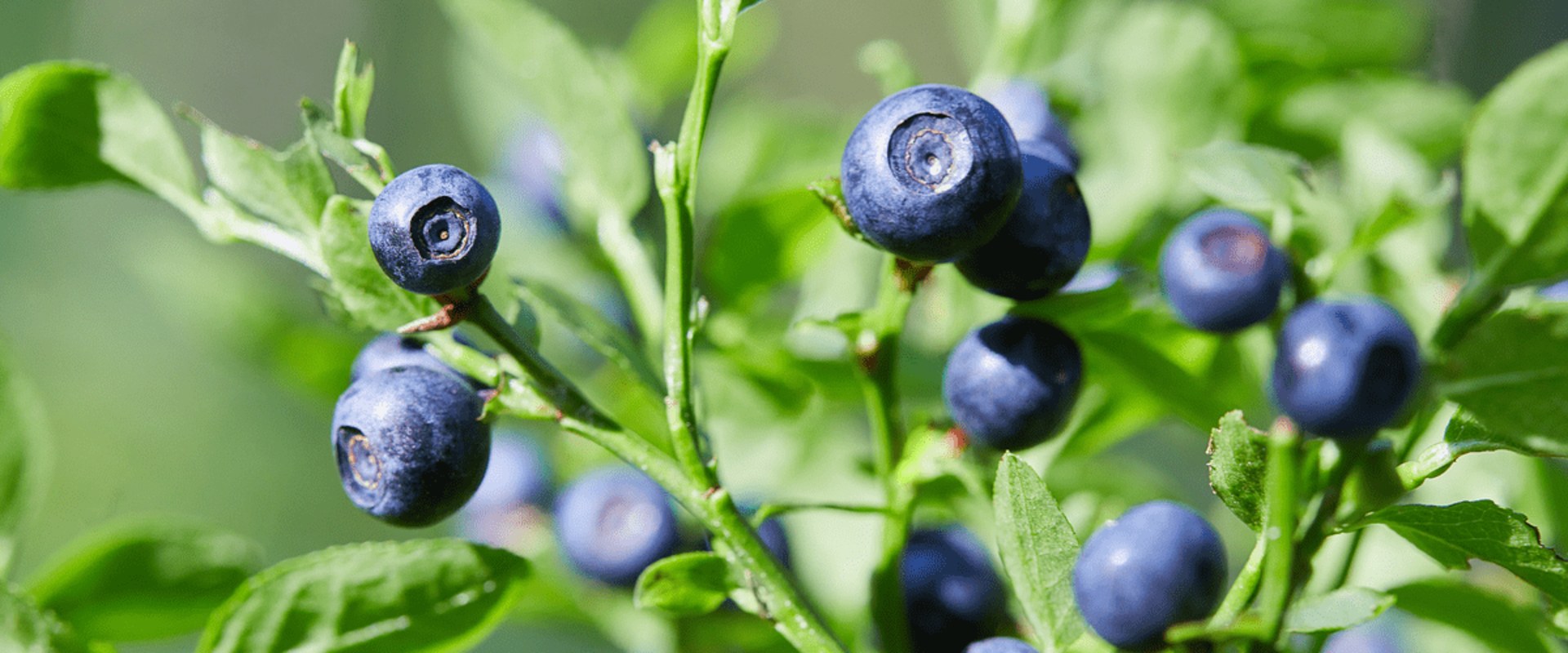
Bilberry, scientifically known as Vaccinium myrtillus, is a small, dark blue fruit that has been cherished for centuries, particularly in Europe, for its remarkable health benefits. Often confused with its more common cousin, the blueberry, bilberry is distinct in its nutritional profile and therapeutic properties. This berry is not only a delicious addition to various dishes but also a powerhouse of nutrients that can significantly contribute to overall health. The nutritional value of bilberry is impressive. It is rich in vitamins such as vitamin C and vitamin K, as well as essential minerals like manganese and copper.
However, what truly sets bilberry apart are its high levels of antioxidants, particularly anthocyanins, which are responsible for its deep blue color. These antioxidants play a crucial role in combating oxidative stress in the body, which is linked to numerous chronic diseases. The presence of dietary fiber also aids in digestion and promotes gut health, making bilberry a well-rounded fruit for maintaining bodily functions. In recent years, the discussion surrounding bilberry has expanded beyond its culinary uses to include its potential health properties. Research suggests that bilberry may offer various benefits, including improved vision, enhanced cognitive function, and anti-inflammatory effects.
However, one of the most compelling areas of interest is its impact on kidney health. As we delve deeper into the specific benefits of bilberry, it becomes clear that this humble fruit may hold significant promise for those looking to support their kidney function and overall well-being.
The Science Behind Bilberry and Kidney Health
Research into the effects of bilberry on kidney health has gained traction in recent years, as scientists seek to understand the potential benefits of this antioxidant-rich fruit. Several studies have explored how bilberry consumption may influence kidney function and overall health. One notable study published in the Journal of Agricultural and Food Chemistry examined the impact of bilberry extract on oxidative stress in renal tissues. The researchers found that bilberry significantly improved the levels of oxygen radical absorbance capacity (ORAC) in kidney cells.This is crucial because a higher ORAC value indicates a greater ability to neutralize free radicals, which are harmful molecules that can lead to cellular damage. Oxidative stress is a key factor in kidney damage, often exacerbated by conditions such as diabetes and hypertension. The study demonstrated that bilberry extract not only reduced oxidative stress but also mitigated kidney damage induced by toxic substances like potassium bromate (KBrO3). These findings suggest that bilberry may offer protective effects against oxidative damage in the kidneys. Another research effort focused on the anti-inflammatory properties of bilberry. Inflammation is a common underlying issue in many kidney diseases, and the anthocyanins found in bilberries have been shown to possess potent anti-inflammatory effects.
By reducing inflammation, bilberry may help maintain healthier kidney function and prevent further deterioration in individuals with existing kidney issues. Furthermore, a study conducted on diabetic rats indicated that bilberry supplementation could improve renal function markers, such as serum creatinine and blood urea nitrogen levels. These markers are critical indicators of kidney health, and their improvement suggests that bilberry may play a role in managing diabetic nephropathy, a common complication of diabetes affecting the kidneys. While these studies provide promising insights into the potential benefits of bilberry for kidney health, it is essential to note that most research has been conducted on animal models or in vitro. More extensive clinical trials involving human subjects are necessary to confirm these findings and establish effective dosages for therapeutic use. In conclusion, the current body of research indicates that bilberry may have significant implications for kidney health through its antioxidant and anti-inflammatory properties. As interest in natural remedies continues to grow, incorporating bilberry into one’s diet could be a beneficial strategy for supporting kidney function, but further studies are needed to fully understand its effects.
Antioxidants in Bilberry: Their Role in Kidney Protection
Bilberries are not just a delicious addition to your diet; they are also a powerhouse of antioxidants that play a crucial role in maintaining kidney health.The primary antioxidants found in bilberries are anthocyanins , which are responsible for the fruit's deep blue color. These compounds have been extensively studied for their health benefits, particularly in relation to oxidative stress and its impact on the kidneys.
Understanding Oxidative Stress
Oxidative stress occurs when there is an imbalance between free radicals and antioxidants in the body. Free radicals are unstable molecules that can cause cellular damage, leading to various health issues, including kidney disease. The kidneys, being vital organs responsible for filtering waste from the blood, are particularly susceptible to oxidative damage.
When oxidative stress overwhelms the body's ability to neutralize these free radicals, it can result in inflammation and tissue damage within the kidneys.
The Protective Role of Antioxidants
Antioxidants like those found in bilberries help combat oxidative stress by neutralizing free radicals. This protective mechanism is essential for maintaining kidney function and overall health. Research has shown that anthocyanins can reduce oxidative stress markers in renal tissues, thereby potentially preventing or mitigating kidney damage.
In addition to their direct antioxidant effects, anthocyanins may also enhance the body’s own antioxidant defenses. They can stimulate the production of endogenous antioxidants, such as glutathione, which further aids in protecting kidney cells from oxidative damage.
Research Insights
Several studies have highlighted the benefits of bilberry consumption on kidney health.
For instance, a study published in a reputable journal indicated that bilberry extract significantly reduced markers of oxidative stress in animal models with induced kidney damage. These findings suggest that incorporating bilberries into your diet could be a proactive approach to support kidney health.
Conclusion
The rich antioxidant profile of bilberries, particularly their anthocyanin content, offers promising benefits for kidney protection. By combating oxidative stress and enhancing the body’s natural defenses, bilberries may play a vital role in maintaining healthy kidney function. As research continues to unfold, it becomes increasingly clear that these small berries pack a significant punch when it comes to supporting our overall health.
Comparing Bilberry and Blueberry: Similarities and Differences
When it comes to berries, bilberries and blueberries are often confused due to their similar names and appearances.However, these two fruits have distinct characteristics that set them apart, both in terms of their botanical classification and their health benefits.
Botanical Differences
- Species: Bilberry (Vaccinium myrtillus) is a wild berry native to Europe, while blueberry (Vaccinium corymbosum) is primarily cultivated in North America.
- Appearance: Bilberries are smaller and darker than blueberries, with a more intense blue hue and a slightly more tart flavor. Blueberries tend to be larger and have a milder sweetness.
- Growth Habits: Bilberries grow on low shrubs in forested areas, whereas blueberries are typically found on taller bushes in cultivated fields.
Nutritional Content
Both bilberries and blueberries are rich in vitamins, minerals, and antioxidants, but they differ slightly in their nutritional profiles:
- Antioxidants: Bilberries are particularly high in anthocyanins, the compounds responsible for their deep color. These antioxidants are known for their anti-inflammatory properties and potential benefits for eye health.
- Vitamins: Blueberries contain higher levels of vitamin C and vitamin K compared to bilberries, making them a great choice for immune support and bone health.
Health Benefits
The health benefits of bilberries and blueberries have been widely studied, but they may serve different purposes:
- Bilberry Benefits: Research suggests that bilberries may improve vision, enhance cognitive function, and provide protective effects against oxidative stress, particularly beneficial for kidney health.
- Blueberry Benefits: Blueberries are often praised for their heart health benefits, including lowering blood pressure and improving cholesterol levels.
Which is Better for Health?
The answer to this question largely depends on individual health goals. If you are looking for a berry that supports kidney health and offers potent antioxidant properties, bilberry may be the better choice.
On the other hand, if you seek a berry rich in vitamins that can support overall cardiovascular health, blueberries might be more suitable. Ultimately, incorporating both berries into your diet can provide a wide range of health benefits.
Potential Health Benefits of Bilberry Beyond Kidney Health
While the potential benefits of bilberry on kidney health are noteworthy, this remarkable fruit offers a range of other health advantages that deserve attention. From enhancing vision to providing anti-inflammatory effects, bilberry is a powerhouse of nutrients that can contribute to overall wellness.Bilberry for Vision
One of the most celebrated benefits of bilberry is its positive impact on eye health. Traditionally, bilberries have been used to improve vision, particularly in low-light conditions.This is largely attributed to their high concentration of anthocyanins , which are potent antioxidants that help protect the eyes from oxidative stress. Research has indicated that these compounds may enhance night vision and reduce eye fatigue. A study published in the journal Ophthalmology found that participants who consumed bilberry extract experienced improved visual acuity and reduced symptoms of eye strain. This makes bilberry a valuable addition for those who spend long hours in front of screens or engage in activities requiring sharp vision.
Anti-Inflammatory Properties
In addition to supporting eye health, bilberry is renowned for its anti-inflammatory properties. Chronic inflammation is linked to numerous health issues, including heart disease, diabetes, and certain cancers.The anthocyanins found in bilberries not only combat oxidative stress but also help modulate inflammatory responses in the body. A study published in the Journal of Nutritional Biochemistry demonstrated that bilberry extract significantly reduced markers of inflammation in animal models. This suggests that incorporating bilberry into your diet may help mitigate inflammation-related conditions and promote overall health.
Overall Wellness Benefits
The benefits of bilberry extend beyond specific health concerns. Regular consumption of this berry can contribute to overall wellness by supporting cardiovascular health, improving circulation, and even aiding in weight management. The fiber content in bilberries promotes digestive health, while their low glycemic index makes them a suitable option for those monitoring blood sugar levels. In summary, bilberry is not just beneficial for kidney health; it also plays a significant role in enhancing vision, reducing inflammation, and promoting overall wellness. The benefits of bilberry extend beyond specific health concerns. Regular consumption of this berry can contribute to overall wellness by supporting cardiovascular health, improving circulation, and even aiding in weight management. The fiber content in bilberries promotes digestive health, while their low glycemic index makes them a suitable option for those monitoring blood sugar levels. In summary, bilberry is not just beneficial for kidney health; it also plays a significant role in enhancing vision, reducing inflammation, and promoting overall wellness.As research continues to uncover the full spectrum of its benefits, incorporating bilberry into your diet can be a delicious and nutritious way to support your health.
How to Incorporate Bilberry into Your Diet
Incorporating bilberry into your diet can be both enjoyable and beneficial for your health. This small, nutrient-rich fruit can be consumed in various forms, allowing you to easily add it to your meals or take it as a supplement. Here are some practical ways to include bilberry in your daily routine:How to Eat Bilberry
Bilberries can be enjoyed fresh, dried, or in various culinary creations. Here are some ideas:-
Fresh Bilberries: If you have access to fresh bilberries, they make a delicious snack on their own.
Simply rinse them under cold water and enjoy their sweet-tart flavor.
- Dried Bilberries: Dried bilberries are a convenient option for snacking or adding to dishes. You can sprinkle them on top of yogurt, oatmeal, or salads for an extra burst of flavor and nutrition.
- Baked Goods: Incorporate bilberries into muffins, pancakes, or bread. They add natural sweetness and a vibrant color to your baked goods.
- Smoothies: Blend fresh or frozen bilberries into smoothies for a nutritious breakfast or snack. Combine them with spinach, banana, and almond milk for a refreshing drink.
- Jams and Sauces: Make homemade bilberry jam or sauce to use as a topping for desserts or breakfast items like toast and pancakes.
Bilberry Recipes
Here are two simple recipes that highlight the unique flavor of bilberries:-
Bilberry Smoothie:
- 1 cup fresh or frozen bilberries
- 1 banana
- 1 cup spinach (optional)
- 1 cup almond milk (or any milk of choice)
- 1 tablespoon honey (optional)
Enjoy as a nutritious breakfast or snack!
-
Bilberry Muffins:
- 1 cup all-purpose flour
- 1/2 cup sugar
- 1 teaspoon baking powder
- 1/2 teaspoon baking soda
- 1/4 teaspoon salt
- 1/2 cup milk
- 1/4 cup melted butter
- 1 egg
- 1 cup fresh or dried bilberries
Pour into muffin tins and bake for 20-25 minutes.
Bilberry Supplements
If you prefer a more concentrated form of bilberry, supplements are widely available in various forms such as capsules, powders, and extracts. When choosing a supplement, consider the following:- Dose: The recommended dosage can vary based on the form of the supplement. Generally, 160-480 mg of bilberry extract per day is considered effective for health benefits.
- Quality: Look for high-quality supplements that contain standardized extracts to ensure you receive the beneficial compounds found in bilberries.
- Consultation: Always consult with a healthcare provider before starting any new supplement regimen, especially if you have existing health conditions or are taking medications.
FAQs About Bilberry and Kidney Health
As interest in bilberry grows, many individuals are curious about its safety and potential benefits for kidney health. Below, we address some of the most frequently asked questions regarding bilberry and its relationship with kidney function.Is Bilberry Safe for Kidneys?
Bilberry is generally considered safe for most people when consumed in moderate amounts, whether as a fruit or in supplement form.However, individuals with pre-existing kidney conditions should exercise caution. The high antioxidant content in bilberries can be beneficial, but it is essential to consult a healthcare provider before adding bilberry to your diet, especially if you have any kidney-related issues.
Can Bilberry Help with Kidney Disease?
Research suggests that bilberry may offer protective effects for kidney health due to its rich antioxidant properties. Antioxidants help combat oxidative stress, which is known to contribute to kidney damage. Some studies indicate that bilberry extracts can improve renal function and reduce inflammation in animal models.However, human studies are limited, and more research is needed to establish definitive benefits for those suffering from kidney disease.
What Are the Side Effects of Bilberry?
While bilberry is safe for most individuals, some may experience mild side effects. These can include:- Gastrointestinal Issues: Some people may experience stomach upset or diarrhea when consuming large amounts of bilberry.
- Allergic Reactions: Although rare, allergic reactions can occur. Symptoms may include itching, swelling, or difficulty breathing.
- Interactions with Medications: Bilberry may interact with certain medications, particularly blood thinners and diabetes medications. Always consult your healthcare provider if you are on medication.
Consulting with a healthcare professional can help ensure that you make informed decisions regarding your health and dietary choices.
Conclusion: The Promise of Bilberry for Kidney Health
In summary, the exploration of bilberry benefits for kidney health reveals a promising landscape of potential advantages. This small, nutrient-dense fruit, rich in antioxidants and anti-inflammatory properties, may play a significant role in supporting kidney function and overall health. Throughout this article, we have examined the unique characteristics of bilberry, distinguishing it from its more commonly known cousin, the blueberry. While both berries share some health benefits, bilberry's specific compounds, particularly anthocyanins, are noteworthy for their potential protective effects against oxidative stress—a key factor in kidney damage. The research indicates that bilberry may help mitigate oxidative stress in renal tissues, which is crucial given that our kidneys are constantly filtering waste and toxins from the blood. The ability of bilberry to enhance antioxidant capacity could be a vital mechanism through which it supports kidney health. Moreover, the anti-inflammatory properties of bilberry suggest that it could aid in reducing inflammation-related kidney issues.Chronic inflammation is often linked to various kidney diseases, and incorporating bilberry into one’s diet may offer a natural way to combat this risk. However, it is essential to approach these findings with caution. While the preliminary research is encouraging, further studies—particularly those involving human subjects—are necessary to fully understand the extent of bilberry's benefits for kidney health. As with any supplement or dietary change, consulting with a healthcare provider is advisable, especially for individuals with pre-existing kidney conditions. In conclusion, while more research is needed to solidify our understanding of how bilberry can specifically benefit kidney health, its rich antioxidant profile and potential anti-inflammatory effects make it a fruit worth considering for those looking to enhance their overall well-being. Incorporating bilberry into your diet could be a step towards not only supporting your kidneys but also promoting general health.