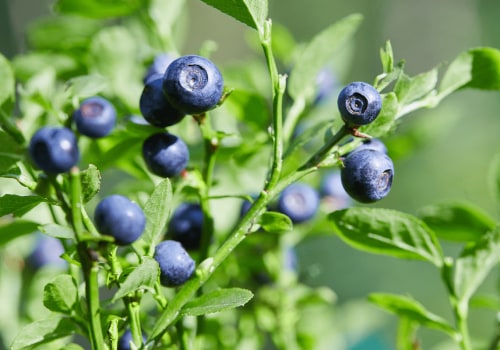
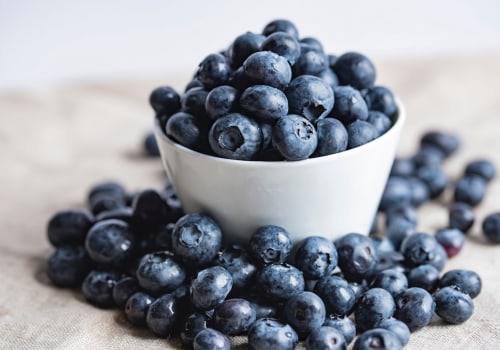
A clearer view of bilberry.
The Optimal Dosage of Bilberry for Enhanced Health: Insights from Experts
Discover the optimal dosage of bilberry for improved health, including eye health, cardiovascular benefits, and cognitive function.
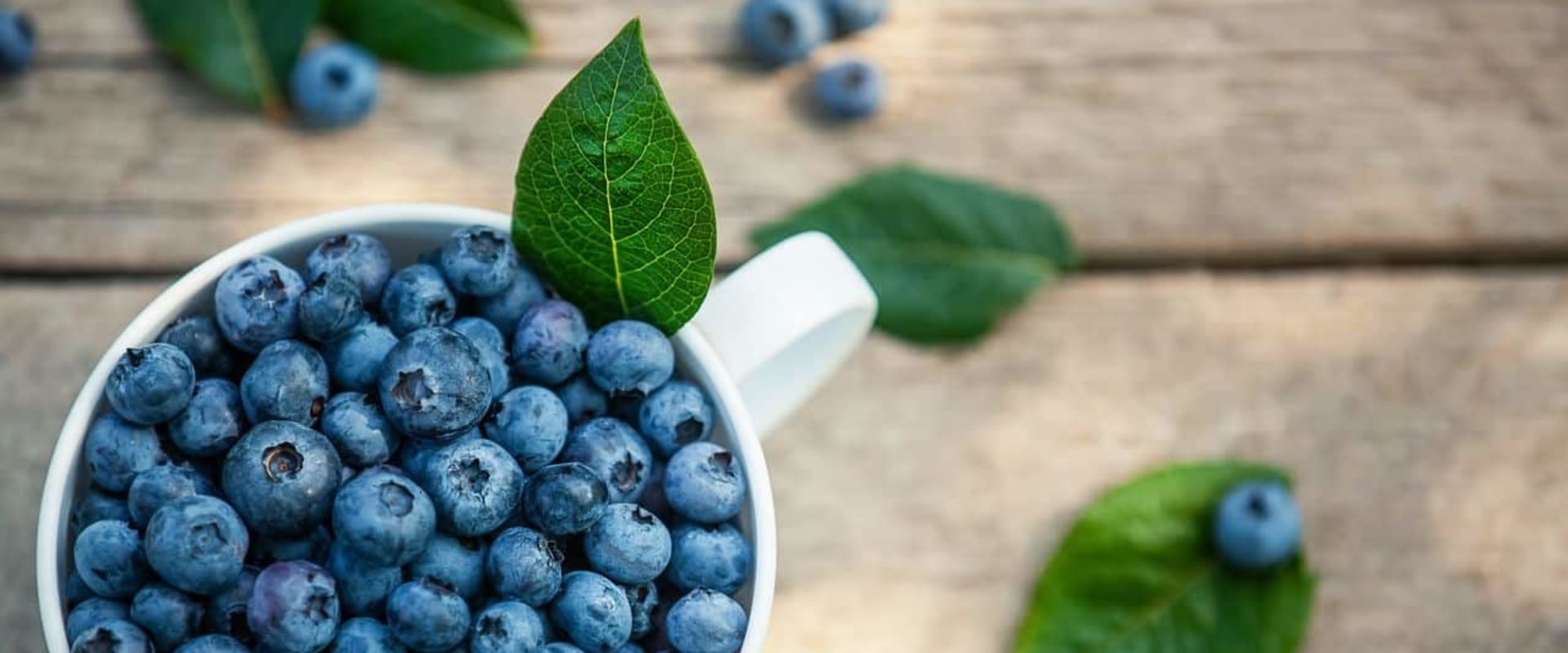
Bilberry, scientifically known as Vaccinium myrtillus, is a small, dark blue fruit that has garnered attention for its impressive array of health benefits. Often confused with its American counterpart, the blueberry, bilberry is native to Europe and has been used for centuries in traditional medicine. Its rich composition of antioxidants, particularly anthocyanins , gives bilberry its vibrant color and is primarily responsible for its numerous health-promoting properties. The health benefits of bilberry are extensive and well-documented. Research indicates that these tiny berries can play a significant role in enhancing eye health , improving vision, and protecting against age-related eye diseases such as macular degeneration and cataracts.
The anthocyanins found in bilberries are believed to improve blood circulation to the eyes, thereby supporting overall ocular function. Additionally, bilberry has been linked to improved cardiovascular health, reduced inflammation, and enhanced cognitive function, making it a versatile addition to any health-conscious diet. Incorporating bilberry into your daily routine can be an effective way to harness its potential benefits. Whether consumed as fresh berries, dried fruit, or in supplement form, bilberry offers a convenient means of boosting your nutrient intake. As we delve deeper into the optimal dosage of bilberry for achieving these health benefits, it becomes clear that understanding this remarkable fruit is essential for anyone looking to enhance their well-being naturally.
Nutritional Profile of Bilberry
Bilberry, often celebrated for its remarkable health benefits, boasts a rich nutritional profile that contributes to its status as a superfood.Understanding the specific nutrients found in bilberries can help individuals appreciate how these tiny fruits can enhance overall health.
Vitamins
- Vitamin C: Bilberries are an excellent source of vitamin C, a powerful antioxidant that plays a crucial role in immune function, skin health, and collagen production. A single serving can provide a significant percentage of the daily recommended intake.
- Vitamin A: This vitamin is essential for maintaining healthy vision and skin. Bilberries contain beta-carotene, which the body converts into vitamin A, supporting eye health and potentially reducing the risk of age-related macular degeneration.
- Vitamin K: Important for blood clotting and bone health, vitamin K is also present in bilberries. This nutrient helps maintain strong bones and may play a role in preventing osteoporosis.
Minerals
-
Manganese: Bilberries are rich in manganese, a mineral that supports metabolism, bone formation, and antioxidant defenses.
It plays a vital role in the body's ability to process carbohydrates and fats.
- Iron: While not as high as some other fruits, bilberries do contain iron, which is essential for transporting oxygen in the blood and preventing anemia.
- Potassium: This mineral is crucial for maintaining proper heart function and regulating blood pressure. The potassium content in bilberries can contribute to cardiovascular health.
Antioxidants
The most notable aspect of bilberry's nutritional profile is its high concentration of antioxidants, particularly anthocyanins. These compounds give bilberries their deep blue color and are known for their ability to combat oxidative stress in the body. Research suggests that anthocyanins may help improve circulation, reduce inflammation, and protect against chronic diseases such as heart disease and diabetes. In summary, the nutritional components of bilberry—including vitamins C, A, K, minerals like manganese and potassium, along with potent antioxidants—make it a valuable addition to any diet.
Incorporating bilberries into your meals can not only enhance flavor but also provide numerous health benefits that support overall well-being.
Key Health Benefits of Bilberry
Bilberry, a small dark blue fruit closely related to the American blueberry, is renowned for its numerous health benefits. Rich in antioxidants, particularly anthocyanins, bilberry has been the subject of various studies highlighting its potential to enhance overall health.Improved Vision
One of the most celebrated health benefits of bilberry is its positive impact on vision. Research indicates that the anthocyanins found in bilberries can improve blood flow to the eyes, which may help in preventing age-related eye diseases such as cataracts and macular degeneration. A study published in the journal Ophthalmology found that participants who consumed bilberry extract experienced significant improvements in night vision and overall visual acuity.This effect is attributed to the berry's ability to enhance retinal function and protect against oxidative stress.
Cardiovascular Health
Bilberry also plays a crucial role in promoting heart health. The antioxidants present in bilberries help reduce inflammation and lower blood pressure, which are key factors in maintaining cardiovascular health. A study conducted by researchers at the University of Reading found that regular consumption of bilberry extract led to improved endothelial function, which is vital for healthy blood circulation. Additionally, bilberries may help lower LDL cholesterol levels while increasing HDL cholesterol, further supporting heart health.Cognitive Function
The cognitive benefits of bilberry are gaining attention as well.Some studies suggest that the antioxidants in bilberries can enhance brain function and may even protect against neurodegenerative diseases. A study published in The Journal of Nutrition indicated that participants who consumed bilberry extract showed improved memory and cognitive performance compared to those who did not. This suggests that incorporating bilberry into your diet could be a simple yet effective way to support brain health. In summary, the health benefits of bilberry extend beyond just vision improvement. With its potential to enhance cardiovascular health and cognitive function, bilberry stands out as a powerful superfood that can contribute significantly to overall well-being.
Recommended Dosage of Bilberry for Optimal Health
When considering the optimal dosage of bilberry for health benefits, it is essential to recognize that the appropriate amount can vary based on several factors, including the form of bilberry being consumed and individual health goals.Below, we outline the recommended dosages for different forms of bilberry supplements.
Dried Bilberries
For those opting for dried bilberries, a common recommendation is to consume between 20 to 60 grams per day. This dosage allows individuals to harness the full spectrum of nutrients and antioxidants that bilberries offer. Dried berries can be easily incorporated into meals, snacks, or smoothies, making them a versatile option.Bilberry Extracts
Bilberry extracts are often more concentrated than dried berries, which means that smaller amounts can provide significant health benefits. The typical dosage for powdered extracts ranges from 160 to 480 mg daily.This concentrated form is particularly beneficial for those looking to improve specific health issues, such as vision or cardiovascular health.
Capsules and Tablets
If you prefer taking bilberry in capsule or tablet form, the recommended dosage generally falls between 80 to 1,000 mg80 to 1,000 mg , taken once or twice a day. This flexibility allows users to adjust their intake based on their personal health objectives and any guidance from healthcare professionals.Consultation with Healthcare Professionals
Before starting any new supplement regimen, including bilberry, it is advisable to consult with a healthcare provider. They can help determine the most suitable dosage based on individual health conditions and dietary needs. Additionally, they can provide insights into potential interactions with other medications or supplements. In summary, whether you choose dried bilberries, extracts, or capsules, adhering to the recommended dosages is crucial for maximizing the health benefits of bilberry.By understanding how much bilberry to take and selecting the right form for your lifestyle, you can effectively support your overall well-being.
Forms of Bilberry Supplements Available
Bilberry supplements are available in various forms, each offering unique benefits and catering to different preferences and lifestyles. Understanding these options can help you make an informed decision about which form of bilberry is best suited for your health goals.1.Bilberry Capsules
Bilberry capsules are one of the most popular forms of supplementation. They typically contain powdered bilberry extract, which is concentrated to provide a higher dose of beneficial compounds, such as anthocyanins. The advantages of capsules include:- Convenience: Capsules are easy to take and can be consumed on-the-go without the need for preparation.
- Dosage Accuracy: Each capsule contains a specific amount of bilberry extract, making it easier to track your intake.
- No Taste: For those who dislike the taste of berries, capsules offer a tasteless alternative.
2.Bilberry Powders
Bilberry powder is made from dried bilberries that have been ground into a fine consistency.This form allows for versatile use in various recipes and beverages. The benefits of using bilberry powder include:
- Versatility: You can easily add bilberry powder to smoothies, yogurt, or baked goods, enhancing your meals with its nutritional profile.
- Higher Antioxidant Content: Powders may retain more nutrients compared to other forms, depending on the processing method.
- Customizable Dosage: You can adjust the amount of powder you use based on your personal health needs.
3.Bilberry Extracts
Bilberry extracts are highly concentrated forms that often come in liquid form or as tinctures. These extracts are designed for those seeking potent doses of bilberry's active compounds. Key advantages include:- Rapid Absorption: Liquid extracts are absorbed more quickly by the body, potentially leading to faster results.
- High Potency: Extracts can provide a more concentrated dose of anthocyanins and other beneficial compounds.
- Flexible Usage: They can be taken alone or mixed with water or juice for easier consumption.
Each form has its own set of advantages that can cater to different needs, ensuring that you can incorporate bilberry into your daily routine effectively.
Potential Side Effects and Precautions
While bilberry is widely recognized for its numerous health benefits, it is essential to consider potential side effects and precautions associated with its supplementation. Understanding these factors can help individuals make informed decisions about incorporating bilberry into their health regimen.Potential Side Effects of Bilberry
- Gastrointestinal Issues: Some individuals may experience mild gastrointestinal discomfort, including nausea, diarrhea, or stomach cramps. These symptoms are generally temporary and can often be alleviated by adjusting the dosage.
-
Allergic Reactions: Although rare, allergic reactions to bilberry can occur. Symptoms may include itching, rash, or swelling.
If any of these symptoms arise after taking bilberry supplements, it is crucial to discontinue use and consult a healthcare professional.
- Blood Sugar Levels: Bilberry may have a hypoglycemic effect, meaning it can lower blood sugar levels. Individuals with diabetes or those taking medications that affect blood sugar should monitor their levels closely and consult with a healthcare provider before starting bilberry supplements.
- Interactions with Medications: Bilberry may interact with certain medications, particularly anticoagulants (blood thinners) and antidiabetic drugs. It is vital to discuss any potential interactions with a healthcare professional to avoid complications.
Is Bilberry Safe?
For most people, bilberry is considered safe when taken in appropriate doses. However, pregnant or breastfeeding women should exercise caution and consult their healthcare provider before using bilberry supplements, as there is limited research on its safety during pregnancy and lactation.
Precautions When Taking Bilberry Supplements
- Consultation with Healthcare Professionals: Before starting any new supplement, including bilberry, it is advisable to consult with a healthcare professional, especially for individuals with pre-existing health conditions or those taking other medications.
- Start with Lower Doses: If you are new to bilberry supplementation, consider starting with a lower dose to assess your body's response before gradually increasing it to the recommended dosage.
-
Monitor for Side Effects: Keep track of any side effects experienced after taking bilberry supplements.
If adverse reactions occur, discontinue use and seek medical advice.
Incorporating Bilberry into Your Diet
Incorporating bilberry into your daily diet can be both enjoyable and beneficial for your health. This small, nutrient-rich fruit is versatile and can be added to a variety of meals and snacks. Here are some practical tips on how to use bilberry effectively:-
Fresh Bilberries: If you have access to fresh bilberries, they can be eaten raw as a snack.
Their sweet-tart flavor makes them a delightful addition to breakfast or as a mid-afternoon treat.
- Smoothies: Blend fresh or frozen bilberries into your morning smoothie. Combine them with yogurt, spinach, and a banana for a nutrient-packed drink that supports eye health and boosts your antioxidant intake.
- Baking: Incorporate bilberries into baked goods such as muffins, pancakes, or bread. They add natural sweetness and moisture while enhancing the nutritional profile of your favorite recipes.
- Salads: Toss bilberries into salads for a burst of flavor and color. They pair well with mixed greens, goat cheese, and nuts, creating a deliciously balanced dish.
-
Jams and Sauces: Make homemade bilberry jam or sauce to spread on toast or drizzle over desserts.
This allows you to enjoy the benefits of bilberries in a sweet form while controlling the sugar content.
- Bilberry Tea: Steep dried bilberry leaves or berries in hot water to create a soothing tea. This can be a great way to enjoy the health benefits of bilberries in a warm beverage.
- Start Slowly: If you are new to bilberries, start with small amounts to see how your body reacts before increasing your intake.
- Pair with Other Foods: Combine bilberries with other fruits or foods rich in vitamin C to enhance nutrient absorption.
- Check for Allergies: As with any new food, ensure you are not allergic to bilberries before incorporating them into your diet.
Frequently Asked Questions about Bilberry
As interest in natural remedies and superfoods continues to grow, many people have questions about bilberry and its potential health benefits. Below are some of the most frequently asked questions regarding this remarkable fruit.1.What is bilberry?
Bilberry, scientifically known as Vaccinium myrtillus, is a small, dark blue fruit closely related to the American blueberry.It is native to Europe and has been used for centuries in traditional medicine due to its rich content of antioxidants, particularly anthocyanins, which are responsible for its deep blue color.
2.Is bilberry good for you?
Yes, bilberry is considered beneficial for health. Research suggests that it may improve vision, particularly night vision, and protect against age-related eye diseases such as macular degeneration and cataracts. Additionally, bilberry has been linked to improved cardiovascular health, reduced inflammation, and enhanced cognitive function.3.How can I incorporate bilberry into my diet?
Bilberry can be consumed in various forms, including:- Dried berries
- Powdered extracts
- Capsules or tablets
- Teas
- Jams and jellies
4.Are there any side effects associated with bilberry?
Bilberry is generally safe for most people when consumed in moderate amounts. However, some individuals may experience mild digestive upset or allergic reactions.It is advisable to consult with a healthcare professional before starting any new supplement regimen, especially if you are pregnant, nursing, or taking medications.
5.How much bilberry should I take daily?
The optimal dosage of bilberry can vary based on the form of the supplement and individual health goals. Generally, a daily intake of 20 to 60 grams of dried berries or 160 to 480 mg of powdered extract is recommended. For capsules or tablets, a dosage of 80 to 1,000 mg once or twice a day is often sufficient. In summary, bilberry offers numerous health benefits and can be easily incorporated into your diet. If you have further questions about its use or effects, consider reaching out to a healthcare provider for personalized advice.Conclusion: The Importance of Proper Bilberry Dosage for Health Benefits
In summary, understanding the optimal dosage of bilberry is crucial for reaping its numerous health benefits.As we have explored, bilberry is not just a flavorful fruit; it is a powerhouse of antioxidants, particularly anthocyanins, which contribute to its impressive health-promoting properties. From enhancing vision to supporting cardiovascular health and reducing inflammation, the potential benefits of bilberry are extensive. However, the effectiveness of bilberry largely depends on the dosage consumed. The recommended daily intake varies based on the form of the supplement and individual health goals. For those using dried berries or powdered extracts, a dosage range of 20 to 60 grams or 160 to 480 mg respectively is generally advised.
In contrast, if you opt for capsules or tablets, taking between 80 to 1,000 mg once or twice daily can be sufficient. It is essential to approach bilberry supplementation with informed caution. Consulting with a healthcare professional before starting any new supplement regimen can help tailor the dosage to your specific needs and health conditions. This personalized approach ensures that you maximize the benefits while minimizing any potential risks. Moreover, incorporating bilberry into your diet can be done safely through various forms, including fresh berries, extracts, and supplements. This versatility allows individuals to choose a method that best fits their lifestyle and preferences. Ultimately, the key takeaway is that while bilberry offers remarkable health benefits, achieving these advantages requires careful consideration of dosage.
By adhering to recommended guidelines and seeking professional advice when necessary, you can effectively harness the power of this superfood for improved overall health and well-being.