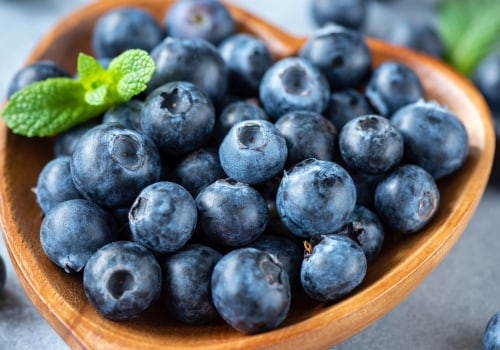
A clearer view of bilberry.
Exploring the Benefits and Risks of Bilberry Supplements: A Comprehensive Guide
Discover the health benefits and potential risks of bilberry supplements. Learn how they can support vision, cardiovascular health, and more.

In recent years, bilberry supplementsbilberry supplements have surged in popularity among health enthusiasts and those seeking natural remedies for various ailments. Derived from the small, dark berries of the bilberry plant, these supplements are often touted for their potential health benefits, particularly in relation to eye health and antioxidant properties. As a close relative of the blueberry, bilberries are rich in anthocyanins, which are compounds known for their ability to combat oxidative stress and inflammation in the body. The growing interest in bilberry supplements can be attributed to a combination of traditional uses and emerging scientific research. Historically, bilberries have been used in folk medicine to treat a range of conditions, from digestive issues to vision problems.
Today, many people turn to these supplements with the hope of enhancing their overall well-being and addressing specific health concerns. However, while the potential benefits of bilberry are compelling, it is equally important to consider the associated risks and limitations. This article aims to provide a comprehensive overview of both the health benefits of bilberry and the potential risks involved in taking these supplements. By exploring the evidence behind their effectiveness and safety, we hope to equip readers with the knowledge necessary to make informed decisions about incorporating bilberry into their health regimen. Whether you are curious about its effects on vision, cardiovascular health, or its role as an antioxidant, understanding both sides of the equation is crucial for anyone considering this supplement.
What is Bilberry?
Bilberry, scientifically known as Vaccinium myrtillus, is a small, dark blue fruit that belongs to the heath family, Ericaceae.This plant is native to Europe and North America, thriving in acidic, nutrient-poor soils typically found in forests and mountainous regions. The bilberry plant is often confused with its close relative, the blueberry, but they are distinct species with different characteristics and health benefits. The bilberry plant is characterized by its low-growing shrub form, reaching heights of about 12 to 24 inches. It features small, oval leaves that turn a vibrant red in the fall, adding to the plant's aesthetic appeal. The fruit itself is about the size of a pea and has a sweet yet slightly tart flavor.
Bilberries are often harvested in late summer to early fall when they reach their peak ripeness. In terms of nutritional profile, bilberries are rich in vitamins and minerals. They are particularly high in vitamin C, which plays a crucial role in immune function and skin health. Additionally, bilberries contain significant amounts of dietary fiber, which aids in digestion and promotes gut health. However, what truly sets bilberries apart is their high concentration of anthocyanins, powerful antioxidants that give the fruit its deep blue color. These anthocyanins are believed to contribute to various health benefits, including improved vision and reduced inflammation.
Research suggests that they may help protect against oxidative stress and support cardiovascular health by improving blood circulation and reducing cholesterol levels. Overall, understanding what bilberry is—its origins, characteristics, and nutritional benefits—provides a solid foundation for appreciating its potential health advantages. As interest in natural supplements grows, bilberry continues to gain recognition for its unique properties and contributions to overall wellness.
Health Benefits of Bilberry Supplements
Bilberry supplements have garnered attention for their potential health benefits, particularly due to their rich content of antioxidants and other bioactive compounds. These small, dark berries are closely related to blueberries and are known for their vibrant color, which is indicative of their high levels of anthocyanins—powerful antioxidants that play a crucial role in promoting overall health.Antioxidant Properties
One of the most significant bilberry health benefits lies in its antioxidant properties. Antioxidants are essential for combating oxidative stress in the body, which can lead to cellular damage and contribute to various chronic diseases.
The anthocyanins found in bilberries help neutralize free radicals, thereby reducing inflammation and lowering the risk of conditions such as heart disease and cancer.
Research has shown that bilberry extracts can enhance the body’s antioxidant defenses, making it a valuable addition to a health-conscious diet. Regular consumption of bilberry supplements may help improve overall well-being by supporting the body’s natural ability to fight oxidative stress.
Bilberry for Vision
Another area where bilberry supplements shine is in their potential benefits for eye health. Traditionally, bilberries have been used to improve vision and treat various eye-related issues. Some studies suggest that the anthocyanins in bilberries may enhance night vision and improve overall visual acuity by promoting better blood circulation in the eyes.
Additionally, bilberry extracts have been linked to reducing the risk of age-related macular degeneration (AMD) and cataracts.
These conditions are common as people age and can significantly impact quality of life. By incorporating bilberry supplements into your routine, you may support your eye health and maintain clearer vision as you age.
Other Health Claims
Beyond their antioxidant properties and benefits for vision, bilberry supplements are also associated with several other health claims. Some research indicates that they may help regulate blood sugar levels, making them potentially beneficial for individuals with diabetes or those at risk of developing the condition. Furthermore, bilberries may support cardiovascular health by improving cholesterol levels and promoting healthy blood pressure.
In summary, the health benefits of bilberry supplements are multifaceted, ranging from their potent antioxidant properties to their potential effects on vision and overall well-being.
As with any supplement, it is essential to consult with a healthcare provider before adding bilberries to your regimen, especially if you have existing health conditions or are taking medications.
Scientific Evidence Supporting Bilberry Benefits
Numerous scientific studies have been conducted to explore the potential benefits of bilberry, particularly in relation to eye health, cardiovascular function, and metabolic disorders. These studies provide a robust foundation for the health claims associated with this remarkable fruit.Eye Health and Vision Improvement
One of the most well-documented benefits of bilberry is its positive impact on eye health. A study published in the journal Ophthalmology found that bilberry extract significantly improved night vision in individuals with poor eyesight. The researchers attributed this effect to the high concentration of anthocyanins in bilberries, which are known to enhance retinal function and improve blood circulation in the eyes.Cardiovascular Benefits
Research has also indicated that bilberry may support cardiovascular health.A clinical trial published in The American Journal of Clinical Nutrition demonstrated that participants who consumed bilberry extract experienced a reduction in blood pressure and improved endothelial function. The antioxidants present in bilberries help combat oxidative stress, which is a significant contributor to heart disease.
Metabolic Health and Diabetes Management
Another area of interest is the role of bilberry in managing metabolic disorders, particularly diabetes. A study featured in Diabetes Care revealed that bilberry supplementation improved insulin sensitivity and reduced blood glucose levels in prediabetic individuals. This suggests that incorporating bilberries into one’s diet may be beneficial for those at risk of developing type 2 diabetes.Anti-Inflammatory Properties
The anti-inflammatory properties of bilberries have also been highlighted in various studies.Research published in The Journal of Nutritional Biochemistry found that bilberry extracts could reduce markers of inflammation in the body, which is crucial for preventing chronic diseases such as arthritis and heart disease. In summary, the scientific evidence supporting the benefits of bilberry is compelling. From enhancing eye health to promoting cardiovascular wellness and aiding metabolic function, bilberries offer a range of potential health advantages. However, as with any supplement, it is essential to consult with a healthcare provider before adding bilberry to your regimen to ensure it aligns with your individual health needs.
Potential Risks and Side Effects of Bilberry Supplements
While bilberry supplements are often praised for their potential health benefits, it is essential to consider the risks and side effects associated with their use. Understanding these factors can help individuals make informed decisions about incorporating bilberry into their health regimen.Possible Side Effects
-
Gastrointestinal Issues: Some users may experience digestive discomfort, including nausea, diarrhea, or stomach cramps.
These symptoms can occur, especially when taking higher doses of bilberry supplements.
- Allergic Reactions: Although rare, allergic reactions to bilberry can happen. Symptoms may include itching, rash, or swelling. If you experience any of these symptoms after taking bilberry, it is crucial to discontinue use and consult a healthcare professional.
-
Blood Sugar Levels: Bilberry may lower blood sugar levels. For individuals with diabetes or those taking medications that affect blood sugar, this could lead to hypoglycemia (low blood sugar).
Monitoring blood sugar levels is advisable when starting bilberry supplements.
Who Should Avoid Bilberry Supplements?
Certain groups of people should exercise caution or avoid bilberry supplements altogether:
- Pregnant and Breastfeeding Women: There is insufficient research on the safety of bilberry during pregnancy and lactation. Therefore, it is best for women in these categories to avoid bilberry supplements unless advised otherwise by a healthcare provider.
- Individuals with Allergies: Those who have known allergies to berries or related plants should avoid bilberry supplements to prevent potential allergic reactions.
- People on Blood Sugar Medications: If you are taking medications for diabetes or other conditions that affect blood sugar levels, consult your healthcare provider before using bilberry supplements to avoid adverse interactions.
Interactions with Medications
Bilberry supplements may interact with certain medications, particularly those that affect blood clotting and blood sugar levels. It is crucial to discuss any current medications with your healthcare provider before starting bilberry to ensure safety and efficacy. In summary, while bilberry supplements can offer various health benefits, it is vital to be aware of the potential risks and side effects. Consulting with a healthcare professional before adding any new supplement to your routine can help mitigate these risks and ensure safe usage.
Interactions with Medications and Other Supplements
When considering the addition of bilberry supplements to your health regimen, it is crucial to understand how they may interact with various medications and other supplements.These interactions can significantly affect the efficacy of your medications or lead to unwanted side effects.
Potential Interactions with Medications
- Anticoagulants and Antiplatelet Drugs: Bilberry may have blood-thinning properties, which could enhance the effects of anticoagulants like warfarin or antiplatelet medications such as aspirin. This combination may increase the risk of bleeding, so it is essential to consult a healthcare provider before combining these treatments.
- Diabetes Medications: Bilberry has been shown to lower blood sugar levels. If you are taking medications for diabetes, such as insulin or metformin, bilberry could potentially lead to hypoglycemia (low blood sugar). Monitoring your blood sugar levels closely is advisable if you decide to take bilberry alongside these medications.
-
Antihypertensive Drugs: Some studies suggest that bilberry may help lower blood pressure.
If you are on antihypertensive medications, combining them with bilberry could lead to excessively low blood pressure. Regular monitoring and consultation with a healthcare professional are recommended.
Interactions with Other Supplements
- Herbal Supplements: Certain herbal supplements, such as ginkgo biloba or garlic, also have blood-thinning effects. Taking these alongside bilberry could amplify this effect, increasing the risk of bleeding.
- Vitamins and Minerals: While there are no well-documented interactions between bilberry and common vitamins or minerals, it is always wise to consider the cumulative effects of multiple supplements on your overall health.
Consultation is Key
If you are currently taking any medications or other supplements, it is vital to discuss your plans to incorporate bilberry with your healthcare provider. They can provide personalized advice based on your health history and current treatment plan.
This proactive approach will help ensure that you can safely enjoy the potential benefits of bilberry without compromising your health.
Recommended Dosage and Usage Guidelines for Bilberry Supplements
When considering the incorporation of bilberry supplements into your health regimen, understanding the appropriate dosage and usage guidelines is crucial for maximizing benefits while minimizing potential risks. Here are some key recommendations to keep in mind:Recommended Dosage
The optimal dosage of bilberry supplements can vary based on individual health needs and the specific formulation of the supplement. However, general guidelines suggest:- Standard Dosage: Most studies indicate that a daily intake of 160 to 480 mg of bilberry extract, standardized to contain 25% anthocyanins, is effective for various health benefits.
- For Eye Health: If you are taking bilberry for eye-related issues, a dosage of around 80 to 160 mg per day is often recommended.
- For Blood Sugar Control: Some research suggests that doses between 200 to 400 mg may help in managing blood sugar levels.
How to Take Bilberry Supplements
To ensure the best absorption and effectiveness of bilberry supplements, consider the following tips:- With Food: Taking bilberry supplements with meals can enhance absorption and reduce the risk of gastrointestinal discomfort.
- Consistency is Key: For optimal results, take your bilberry supplements at the same time each day. This helps maintain stable levels in your system.
- Follow Manufacturer Instructions: Always adhere to the specific instructions provided on the supplement label, as formulations can differ significantly between brands.
Safe Usage Guidelines
While bilberry supplements are generally considered safe for most individuals, it is essential to follow these safety guidelines:- Consult Your Healthcare Provider: Before starting any new supplement, especially if you are pregnant, breastfeeding, or taking medications, consult with your healthcare provider to avoid potential interactions.
-
Avoid Overconsumption: Stick to the recommended dosages.
Excessive intake can lead to adverse effects such as digestive issues or allergic reactions.
- Monitor Your Body's Response: Pay attention to how your body reacts after starting bilberry supplements. If you experience any unusual symptoms, discontinue use and consult a healthcare professional.
Who Should Consider Taking Bilberry Supplements?
Bilberry supplements can be particularly beneficial for certain groups of individuals, especially those with specific health conditions or lifestyle factors that may warrant their use. Understanding who should consider incorporating these supplements into their daily routine is essential for maximizing their potential benefits.Individuals with Vision Problems
One of the most well-known benefits of bilberry is its potential to support eye health. People suffering from conditions such as macular degeneration, glaucoma, or general vision impairment may find bilberry supplements helpful.
The antioxidants in bilberries, particularly anthocyanins, are believed to improve night vision and reduce eye fatigue, making them a suitable option for those who spend long hours in front of screens.
Diabetics and Those with Blood Sugar Concerns
Research suggests that bilberry may help regulate blood sugar levels, making it a potential supplement for individuals with diabetes or those at risk of developing the condition. The compounds found in bilberries can enhance insulin sensitivity and improve glucose metabolism, which is crucial for managing blood sugar levels effectively.
People with Circulatory Issues
Bilberry's ability to strengthen blood vessels and improve circulation makes it beneficial for individuals experiencing poor circulation, varicose veins, or other vascular issues. The flavonoids in bilberries can help enhance blood flow and reduce inflammation, which may alleviate symptoms associated with these conditions.
Aging Adults
Aging can bring about various health challenges, including cognitive decline and increased oxidative stress. Older adults may benefit from bilberry supplements due to their antioxidant properties, which can help combat free radicals and support overall brain health.
Some studies suggest that regular consumption of bilberry may improve memory and cognitive function in older populations.
Who Should Avoid Bilberry Supplements?
While bilberry supplements offer numerous benefits, certain individuals should exercise caution or avoid them altogether. Pregnant or breastfeeding women should consult their healthcare provider before taking any new supplements, including bilberry. Additionally, those on anticoagulant medications should be cautious, as bilberry may enhance the effects of these drugs and increase the risk of bleeding.
In conclusion, bilberry supplements can be a valuable addition to the diets of specific groups, particularly those with vision problems, diabetes, circulatory issues, or aging concerns. However, it is crucial to consult with a healthcare professional before starting any new supplement regimen to ensure safety and efficacy based on individual health needs.
Conclusion: Weighing the Benefits Against the Risks of Bilberry Supplements
In summary, the decision to incorporate bilberry supplements into your health regimen should be approached with careful consideration of both their potential benefits and associated risks.As we have explored, bilberries are rich in antioxidants, particularly anthocyanins, which may offer various health advantages, including improved vision, enhanced circulation, and support for cardiovascular health. However, it is crucial to recognize that while the benefits of bilberry supplements can be appealing, they are not without their drawbacks. Potential side effects and interactions with medications can pose significant risks, especially for certain populations such as pregnant or breastfeeding women and individuals with pre-existing health conditions. Therefore, consulting with a healthcare provider before starting any new supplement is essential. To make an informed decision regarding bilberry supplements, consider the following:
- Research: Stay updated on the latest studies regarding bilberry's health benefits and any emerging evidence about its safety.
- Dosage: Adhere to recommended dosages to minimize the risk of adverse effects. Overconsumption can lead to complications.
- Personal Health: Evaluate your personal health status and any medications you are currently taking that may interact with bilberry.
- Consultation: Always discuss with a healthcare professional before adding new supplements to your routine.
By weighing the benefits against the risks and making informed choices, you can better navigate your health journey and optimize your well-being.