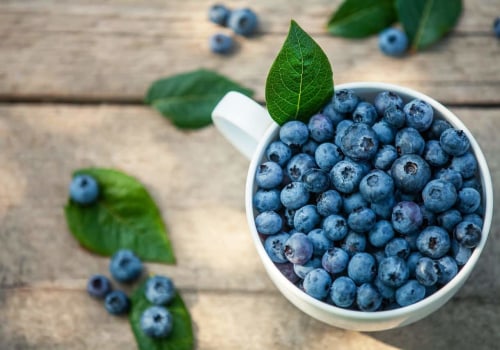
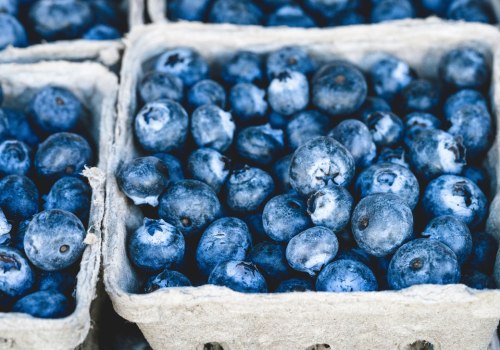
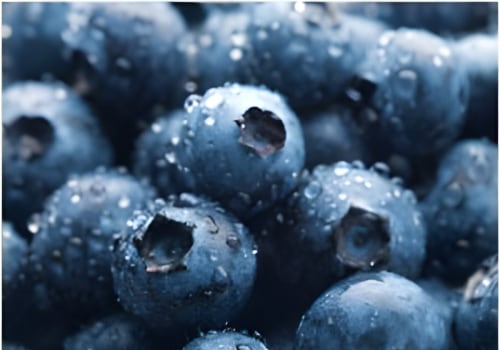
A clearer view of bilberry.
The Power of Bilberry: Understanding Its Benefits and Timeline for Results
Discover the health benefits of bilberry and learn how long it takes to see results from this powerful berry. Enhance your wellness journey today!

Bilberry, scientifically known as Vaccinium myrtillus, is a small, dark blue berry that has captured the attention of herbalists and health enthusiasts alike for centuries. Native to the cooler regions of Europe, Asia, and North America, this berry has been revered not only for its delightful flavor but also for its remarkable health benefits. Traditionally used in folk medicine, bilberry has been associated with a variety of therapeutic effects, particularly in enhancing vision and supporting overall eye health. The significance of bilberry in natural medicine can be traced back to its rich composition of anthocyanins , powerful antioxidants that give the berry its vibrant color. These compounds are believed to play a crucial role in protecting cells from oxidative stress and inflammation, which are key contributors to many chronic diseases.
As research continues to unveil the potential of bilberry, it is becoming increasingly recognized for its ability to improve circulation, support cardiovascular health, and even aid in digestive issues. In recent years, the popularity of bilberry has surged as more people seek natural alternatives to conventional treatments. With a growing body of evidence supporting its health effects, many are curious about how long it takes to experience the benefits of this remarkable berry. Understanding the timeline for seeing results from bilberry supplementation is essential for those looking to incorporate it into their wellness routine. As we delve deeper into the various bilberry benefits , we will explore not only its historical uses but also the scientific backing behind its effectiveness and what individuals can realistically expect when they begin their journey with this potent superfood.
What is Bilberry?
Bilberry, scientifically known as Vaccinium myrtillus, is a small, dark blue berry that belongs to the heath family, Ericaceae.This plant is native to the cooler regions of Europe, Asia, and North America, thriving in acidic soils typically found in forests and moorlands. The bilberry plant is characterized by its low-growing, bushy appearance, reaching heights of about 12 to 24 inches. Its leaves are oval-shaped and can vary in color from green to reddish-brown, depending on the season. The bilberry fruit itself is small, usually measuring around 0.2 to 0.4 inches in diameter. It has a sweet yet slightly tart flavor, making it a popular choice for various culinary applications, including jams, jellies, and desserts.
The berries are often confused with blueberries; however, bilberries are smaller and have a more intense flavor profile. Traditionally, bilberries have been used for centuries in folk medicine across Europe. Indigenous peoples utilized the berries not only for their nutritional value but also for their potential health benefits. The fruit is rich in vitamins A and C, as well as essential minerals like potassium and magnesium. These nutrients contribute to the overall health benefits attributed to bilberry consumption. In addition to its nutritional properties, bilberry has been recognized for its medicinal uses.
Historically, it has been employed to treat various ailments such as digestive issues, urinary tract infections, and even eye disorders. The anthocyanins found in bilberries—powerful antioxidants responsible for their deep blue color—are believed to play a significant role in promoting eye health by improving night vision and reducing glare sensitivity. As interest in natural remedies continues to grow, bilberry has gained popularity as a dietary supplement. Its potential benefits extend beyond eye health; research suggests that it may also support cardiovascular health and possess anti-inflammatory properties. Understanding the characteristics and traditional uses of bilberry provides valuable context for appreciating its numerous health benefits.
Key Nutritional Components of Bilberry
Bilberry, often celebrated for its remarkable health benefits, is not just a delicious fruit; it is also a powerhouse of essential nutrients.Understanding the nutritional components of bilberry, particularly its rich content of anthocyanins and other antioxidants, is vital for appreciating how these elements contribute to overall health.
Anthocyanins: The Star Nutrient
One of the most significant components of bilberry is its high concentration of anthocyanins. These are water-soluble pigments that give bilberries their deep blue color. Anthocyanins are part of the flavonoid family and are known for their potent antioxidant properties. Research has shown that these compounds can:- Combat oxidative stress: By neutralizing free radicals, anthocyanins help protect cells from damage, which is crucial in preventing chronic diseases.
- Enhance cardiovascular health: They improve blood vessel function and reduce inflammation, contributing to better heart health.
- Support eye health: Anthocyanins have been linked to improved night vision and reduced risk of age-related eye conditions.
Other Antioxidants in Bilberry
In addition to anthocyanins, bilberry contains a variety of other antioxidants that work synergistically to promote health:- Vitamin C: This essential vitamin not only boosts the immune system but also plays a role in collagen production and skin health.
- Vitamin E: Known for its skin-protective properties, vitamin E helps maintain healthy skin and may reduce the risk of certain diseases.
- Phenolic acids: These compounds have anti-inflammatory effects and may help regulate blood sugar levels.
Regular consumption can lead to enhanced well-being and may provide protective benefits against various health issues. Whether enjoyed fresh, in supplements, or as extracts, incorporating bilberry into your routine can be a delicious way to boost your nutrient intake.
Health Benefits of Bilberry
Bilberry, a small yet powerful berry, is renowned for its numerous health benefits, particularly in the realms of eye health, cardiovascular support, and digestive wellness. This section delves into these benefits, providing a comprehensive understanding of how bilberry can enhance overall health.Bilberry for Eye Health
One of the most celebrated benefits of bilberry is its positive impact on eye health. The anthocyanins found in bilberries are potent antioxidants that help protect the eyes from oxidative stress and inflammation.Research has shown that bilberry can:
- Improve Night Vision: Bilberry has been traditionally used to enhance night vision. Studies suggest that it may help the eyes adapt to darkness more quickly and reduce glare sensitivity.
- Support Macular Degeneration:Support Macular Degeneration: This age-related condition can lead to vision loss. Bilberry may slow its progression by improving blood flow to the retina and reducing oxidative damage.
- Reduce Cataract Risk: Regular consumption of bilberry may lower the risk of cataracts by protecting lens proteins from damage and maintaining their clarity.
Bilberry for Heart Health
The cardiovascular benefits of bilberry are equally impressive. The antioxidants in bilberries contribute to heart health by:- Enhancing Blood Circulation: Bilberry has been shown to improve circulation by strengthening blood vessels and promoting healthy blood flow.
- Lowering Cholesterol Levels: Some studies indicate that bilberry may help reduce LDL cholesterol levels, which is crucial for preventing heart disease.
-
Reducing Inflammation: Chronic inflammation is a significant risk factor for heart disease.
The anti-inflammatory properties of bilberry can help mitigate this risk.
Bilberry for Digestive Health
In addition to its benefits for the eyes and heart, bilberry also supports digestive health. It has been traditionally used to treat various gastrointestinal issues, including:- Diarrhea: Bilberry's astringent properties can help alleviate diarrhea by tightening tissues and reducing fluid loss.
- Stomach Ulcers: The anti-inflammatory effects of bilberry may aid in healing stomach ulcers and protecting the stomach lining from damage.
How Long Does It Take to See Results from Bilberry?
When considering the effectiveness of bilberry, one of the most common questions is: How long does it take to see results? The timeline for experiencing the benefits of bilberry can vary significantly based on several factors, including dosage, form of consumption, and individual health conditions.Dosage
plays a crucial role in how quickly one might notice the effects of bilberry. For general eye health, a daily intake of 120-240 mg of bilberry extract is often recommended.
However, for specific conditions such as macular degeneration or cataracts, higher dosages may be necessary. It’s essential to adhere to the recommended dosages to avoid potential side effects that can arise from excessive consumption. The form in which bilberry is consumed can also influence its effectiveness and the speed at which results are felt. Bilberry is available in various forms, including:
- Capsules
- Tablets
- Liquid extracts
- Dried berries
Each person's body responds differently to supplements due to variations in metabolism, existing health issues, and overall lifestyle. Some individuals may notice improvements within a few days, particularly if they are addressing acute issues like eye strain or fatigue. Others may require weeks or even months to observe significant changes, especially if they are managing chronic conditions. In summary, while there is no definitive answer to how long it takes for bilberry to work, understanding the interplay between dosage, form of consumption, and individual health can provide valuable insights. By tailoring your approach to these factors, you can optimize your chances of experiencing the full range of bilberry benefits.
Factors Influencing Bilberry Effectiveness
When considering the effectiveness of bilberry, several key factors come into play that can significantly influence how quickly and effectively one might experience its benefits.Understanding these factors can help individuals make informed decisions about incorporating bilberry into their health regimen.
Recommended Dosages
The dosage of bilberry is crucial in determining its effectiveness. For general eye health, a daily intake of 120-240 mg of bilberry extract is commonly recommended. However, specific conditions may require different dosages:- Macular Degeneration: Higher doses, often around 300-600 mg , may be necessary to see significant improvements.
- Cataracts: Similar to macular degeneration, individuals may benefit from increased dosages to help manage symptoms.
- General Health: For overall wellness and antioxidant support, lower doses may suffice.
Forms of Bilberry Supplements
Bilberry is available in various forms, each with its own absorption rates and potential benefits:- Capsules and Tablets: These are convenient but may take longer for the body to absorb compared to liquid forms.
- Liquid Extracts: Often considered the most effective form due to faster absorption rates, allowing users to feel the effects more quickly.
- Dried Berries: Consuming whole berries can provide additional fiber and nutrients but may not deliver concentrated doses of anthocyanins.
Individual Responses to Bilberry
No two individuals are alike, and this variability extends to how people respond to bilberry supplementation. Factors such as age, overall health, metabolic rate, and existing medical conditions can all influence outcomes.Some individuals may notice improvements in their vision or overall health within a few days, while others might require weeks or even months to experience noticeable changes. This variability underscores the importance of patience and consistency when using bilberry as a supplement. In summary, understanding the recommended dosages, forms of bilberry supplements, and individual health factors can significantly influence how quickly one might see results from this powerful berry. By tailoring the approach to personal needs and circumstances, individuals can maximize the potential benefits of bilberry in their health journey.
How to Incorporate Bilberry into Your Diet
Incorporating bilberry into your diet can be both enjoyable and beneficial for your health. This versatile berry can be consumed in various forms, allowing you to choose the method that best suits your lifestyle and preferences.Fresh Bilberries
If you have access to fresh bilberries, they are a delightful addition to your meals.You can:
- Add them to smoothies: Blend fresh bilberries with yogurt, bananas, and a splash of almond milk for a nutritious breakfast or snack.
- Top your cereals: Sprinkle fresh bilberries over oatmeal or granola for added flavor and antioxidants.
- Make a fruit salad: Combine bilberries with other berries, such as strawberries and raspberries, for a colorful and healthy dessert.
Baked Goods
Bilberries can also be used in baking. Consider these ideas:- Bake bilberry muffins: Incorporate bilberries into your favorite muffin recipe for a burst of flavor.
- Prepare bilberry pies: Use bilberries as the main filling in pies or tarts, paired with a hint of lemon zest to enhance their natural sweetness.
Bilberry Supplements
If fresh berries are not available, bilberry supplements are an excellent alternative. Here’s how to choose and use them:- Select the right form: Bilberry is available in capsules, tablets, and liquid extracts. Liquid extracts are often absorbed more quickly by the body.
-
Follow dosage recommendations: For general eye health, a daily dose of 120-240 mg of bilberry extract is typically recommended.
Always consult with a healthcare professional before starting any new supplement regimen.
Recipes Featuring Bilberry
Here are a couple of simple recipes that highlight the benefits of bilberry:-
Bilberry Smoothie Bowl:
Ingredients:
- 1 cup fresh or frozen bilberries
- 1 banana
- 1/2 cup Greek yogurt
- 1/2 cup almond milk
- Toppings: granola, sliced almonds, and additional bilberries
Instructions:
Blend all ingredients until smooth. Pour into a bowl and top with granola, sliced almonds, and extra bilberries. -
Bilberry Chia Pudding:
Ingredients:
- 1/4 cup chia seeds
- 1 cup almond milk
- 1/2 cup fresh bilberries
- Sweetener of choice (honey or maple syrup)
Instructions:
Mix chia seeds with almond milk and sweetener. Let sit for at least 4 hours or overnight in the fridge. Top with fresh bilberries before serving.
Frequently Asked Questions about Bilberry
As interest in bilberry continues to grow, many people have questions about its benefits, safety, and usage.Below are some of the most frequently asked questions regarding this remarkable berry.
What are the main benefits of bilberry?
Bilberry is renowned for its numerous health benefits, particularly for eye health. Some of the key benefits include:- Improved Night Vision: Bilberry has been shown to enhance night vision and reduce glare sensitivity, making it beneficial for those who drive at night.
- Support for Macular Degeneration: Research indicates that bilberry may slow the progression of macular degeneration, a common cause of vision loss in older adults.
- Cataract Prevention: The antioxidants in bilberry can help reduce the risk of cataracts and improve symptoms in individuals already affected by this condition.
- Cardiovascular Health: Bilberry may improve blood circulation and strengthen blood vessels, contributing to overall heart health.
Is bilberry safe to consume?
Generally, bilberry is considered safe for most people when taken in appropriate doses. However, there are a few considerations to keep in mind:- Allergies: Individuals with allergies to berries or related plants should exercise caution and consult a healthcare professional before using bilberry.
- Pregnancy and Breastfeeding: There is limited research on the safety of bilberry during pregnancy and breastfeeding. It is advisable to consult a healthcare provider before use.
-
Medication Interactions: Bilberry may interact with certain medications, particularly blood thinners.
Always discuss with your doctor if you are taking other medications.
How should I take bilberry?
Bilberry is available in various forms, including capsules, tablets, liquid extracts, and dried berries. The method of consumption can affect how quickly you experience its benefits. Liquid extracts are typically absorbed faster than capsules or tablets. It’s essential to follow the recommended dosage on the product label or as advised by a healthcare professional.Can I take bilberry with other supplements?
Yes, bilberry can often be taken alongside other supplements.However, it’s crucial to consult with a healthcare provider to ensure that there are no potential interactions with other supplements or medications you may be taking. If you have more questions about bilberry or its effects on your health, consider reaching out to a healthcare professional for personalized advice.
Conclusion: The Value of Bilberry in Health and Wellness
In summary, the exploration of bilberry benefits reveals a remarkable natural remedy with a rich history of use in traditional medicine. This small berry, packed with potent antioxidants known as anthocyanins, offers a multitude of health advantages, particularly for eye health. From enhancing night vision to potentially slowing the progression of macular degeneration and reducing the risk of cataracts, bilberry stands out as a valuable addition to one’s wellness regimen. As we have discussed, the timeline for experiencing the effects of bilberry can vary significantly among individuals. Factors such as dosage, form of consumption, and personal health conditions play crucial roles in determining how quickly one might notice improvements.While some may feel the benefits within days, others might require weeks or even months to observe noticeable changes. This variability underscores the importance of patience and consistency when incorporating bilberry into your health routine. Moreover, bilberry's potential extends beyond just eye health. Its ability to improve circulation, support cardiovascular health, and aid in digestive issues makes it a versatile supplement worth considering. The anti-inflammatory properties and antioxidant effects can also contribute to overall well-being, making bilberry a holistic addition to a healthy lifestyle. Incorporating bilberry into your daily routine can be done in various forms—whether through capsules, liquid extracts, or even dried berries.
Each form has its own absorption rate and efficacy, so choosing the right one for your needs is essential. Always consult with a healthcare professional before starting any new supplement to ensure it aligns with your health goals. Ultimately, embracing bilberry as part of your wellness journey not only enhances your eye health but also supports broader aspects of physical well-being. With its myriad benefits and relatively low risk of side effects when taken appropriately, bilberry is indeed a powerful ally in achieving optimal health.