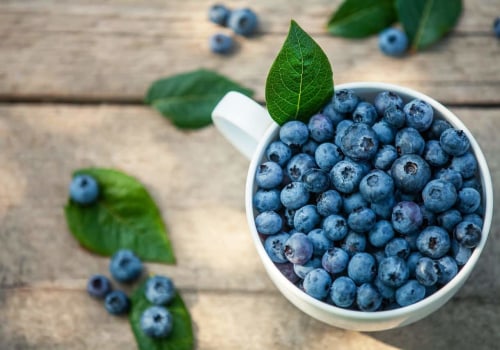
A clearer view of bilberry.
The Comprehensive Guide to Bilberry Vitamin Supplementation: Pros and Cons
Explore the pros and cons of bilberry vitamin supplementation, its health benefits, potential side effects, and how to choose the right supplement.

Bilberry, a small, dark blue fruit closely related to the blueberry, has been celebrated for centuries not only for its delightful flavor but also for its impressive nutritional profile. Native to Europe and parts of North America, bilberries have a rich history in herbal medicine, where they were traditionally used to treat various ailments, including digestive issues and eye disorders. The fruit is packed with essential vitamins and minerals, making it a valuable addition to any diet. One of the standout features of bilberry is its high concentration of antioxidants , particularly anthocyanins, which are responsible for the fruit's vibrant color. These antioxidants play a crucial role in combating oxidative stress in the body, potentially reducing the risk of chronic diseases such as heart disease and cancer.
In addition to antioxidants, bilberries are a good source of vitamins C and E, as well as dietary fiber, which can aid in digestion and promote overall gut health. Beyond its nutritional benefits, bilberry has garnered attention for its potential health benefits. Research suggests that bilberry may support eye health by improving night vision and reducing the risk of age-related macular degeneration. Furthermore, some studies indicate that bilberry supplementation could enhance cognitive function and improve circulation. However, while these benefits are promising, it is essential to consider both the advantages and potential drawbacks of bilberry supplementation. As we delve deeper into the topic of bilberry vitamin supplementation, understanding its nutritional composition and historical significance will provide a solid foundation for evaluating its benefits and drawbacks.
This exploration will help you make informed decisions about whether incorporating bilberry into your health regimen is right for you.
The Health Benefits of Bilberry Supplementation
Bilberry supplementation has garnered attention for its potential health benefits, particularly due to its rich content of antioxidants and other bioactive compounds. Understanding these benefits can help individuals make informed decisions about incorporating bilberry into their health regimen.Antioxidant Properties of Bilberry
One of the most significant bilberry health benefits lies in its high antioxidant content. Bilberries are packed with anthocyanins, a type of flavonoid that gives the fruit its deep blue color. These antioxidants play a crucial role in neutralizing free radicals in the body, which can cause oxidative stress and lead to chronic diseases such as heart disease, diabetes, and cancer. Research has shown that the antioxidant properties of bilberry can help reduce inflammation and improve overall health.Regular consumption of bilberry supplements may enhance the body's ability to combat oxidative damage, thereby promoting longevity and vitality.
Bilberry for Eye Health
Another area where bilberry supplementation shines is in supporting eye health. Traditionally, bilberries have been used to improve vision and alleviate eye strain. Studies suggest that the anthocyanins in bilberries may enhance night vision and improve overall visual acuity by strengthening the capillaries in the eyes and improving blood flow. Moreover, bilberry may help protect against age-related macular degeneration (AMD) and cataracts. The antioxidants present in bilberries can reduce the risk of these common eye conditions by combating oxidative stress that damages retinal cells.Additional Health Benefits
Beyond its antioxidant properties and benefits for eye health, bilberry supplementation may offer several other advantages:- Blood Sugar Regulation: Some studies indicate that bilberry may help regulate blood sugar levels, making it a potential ally for individuals with diabetes or those at risk of developing the condition.
- Cognitive Function: The antioxidants in bilberries may also support brain health by improving cognitive function and reducing the risk of neurodegenerative diseases.
- Cardiovascular Health: Bilberry supplementation has been linked to improved heart health by lowering cholesterol levels and enhancing circulation.
From its powerful antioxidant properties to its positive effects on eye health and beyond, incorporating bilberry into your daily routine could be a beneficial choice for overall wellness.
Potential Side Effects and Risks of Bilberry Supplements
While bilberry supplements are often praised for their potential health benefits, it is crucial to consider the potential side effects and risks associated with their use. Understanding these factors can help individuals make informed decisions about incorporating bilberry into their health regimen.Common Side Effects
Most people tolerate bilberry supplements well, but some may experience mild side effects. These can include:- Gastrointestinal Issues: Some users report digestive discomfort, including nausea, diarrhea, or stomach cramps.
- Headaches: A few individuals may experience headaches after taking bilberry supplements, possibly due to changes in blood sugar levels.
- Dizziness: In rare cases, dizziness has been reported, which could be linked to fluctuations in blood pressure.
Allergic Reactions
Although uncommon, allergic reactions to bilberry can occur. Symptoms of an allergic reaction may include:- Skin Reactions: Hives, rashes, or itching may develop in sensitive individuals.
- Respiratory Issues: Difficulty breathing, swelling of the lips or tongue, and a tight throat are serious symptoms that require immediate medical attention.
Interactions with Medications
Bilberry may interact with certain medications, particularly those that affect blood clotting.If you are taking anticoagulants or antiplatelet drugs, combining them with bilberry could increase the risk of bleeding. Always discuss with your healthcare provider if you are on medication and considering bilberry supplements.
Long-term Use Considerations
The long-term effects of bilberry supplementation are not well-studied. While short-term use is generally considered safe for most individuals, prolonged consumption may lead to unforeseen complications. It is wise to periodically reassess the necessity of any supplement and consult with a healthcare professional regarding its continued use. In conclusion, while bilberry supplements offer various potential health benefits, being aware of the risks associated with bilberry supplementation, including possible side effects and allergic reactions, is essential for safe usage.Always prioritize your health by consulting with a healthcare provider before starting any new supplement regimen.
How to Choose the Right Bilberry Supplement
Choosing the right bilberry supplement can significantly impact your health and wellness journey. With a plethora of options available on the market, it’s essential to know what to look for to ensure you are selecting a high-quality product that meets your needs.1.Look for Standardized Extracts
When selecting a bilberry supplement, opt for products that contain standardized extracts. This means that the supplement has a consistent level of active ingredients, particularly anthocyanins, which are responsible for many of the health benefits associated with bilberries. A standardized extract typically guarantees a specific percentage of these beneficial compounds, ensuring you receive the potency you expect.
2.Check the Dosage Recommendations
Dosage can vary based on the form of the supplement and its intended use.
Generally, a daily dosage of 160 to 480 mg of bilberry extract is recommended for most adults. However, it’s crucial to follow the specific dosage instructions provided on the product label or consult with a healthcare professional for personalized advice.
3.Review Ingredient Lists
- Avoid Fillers and Additives: Choose supplements that have minimal fillers, binders, or artificial additives. A clean ingredient list is often indicative of a higher-quality product.
- Check for Allergens: If you have allergies or sensitivities, ensure that the supplement does not contain any allergens such as gluten, dairy, or soy.
4.Consider the Form of Supplement
Bilberry supplements come in various forms, including capsules, tablets, powders, and liquid extracts. Capsules and tablets are convenient and easy to take, while powders can be mixed into smoothies or other beverages for added versatility.
Choose a form that fits your lifestyle and preferences.
5.Research Brand Reputation
Before making a purchase, research the brand’s reputation. Look for companies that prioritize quality control and transparency in their manufacturing processes. Reading customer reviews can also provide insight into the effectiveness and reliability of the product.
6.Consult with Healthcare Professionals
If you are unsure about which bilberry supplement to choose or how it may interact with other medications you are taking, consult with a healthcare provider. They can offer tailored recommendations based on your individual health needs.
By following these guidelines, you can confidently select a bilberry supplement that aligns with your health goals and ensures safe and effective use.
Comparing Bilberry with Other Berry Supplements
When considering berry supplements, bilberry often comes up in discussions alongside other popular options like blueberries and acai berries.Each of these berries offers unique health benefits, making it essential to understand their differences to make informed choices about supplementation.
Bilberry vs. Blueberry
- Nutritional Profile: Bilberries are closely related to blueberries but are generally smaller and darker. They contain higher levels of anthocyanins, the antioxidants responsible for their deep color, which may contribute to enhanced health benefits, particularly for eye health.
- Health Benefits: While both bilberries and blueberries are known for their antioxidant properties, bilberries have been studied more extensively for their potential effects on vision and eye health. They may help improve night vision and reduce eye fatigue.
- Bioavailability: Some studies suggest that the anthocyanins in bilberries are more bioavailable than those in blueberries, meaning they may be absorbed more effectively by the body, leading to greater health benefits.
Berry Supplements Comparison
- Acai Berries: Acai berries are often marketed as a superfood due to their high antioxidant content.
However, they differ from bilberries and blueberries in that they are higher in fat and calories. Acai is rich in healthy fats, particularly omega-3 fatty acids, which can support heart health.
- Antioxidant Levels: While all three berries are rich in antioxidants, bilberries stand out for their specific compounds that may offer unique benefits. Acai berries have a different profile of antioxidants that may be beneficial for overall health but do not specifically target eye health like bilberries do.
- Culinary Uses: Blueberries are widely used in various culinary applications due to their sweet flavor and versatility. Bilberries, on the other hand, have a more tart taste and are often used in jams or traditional medicines rather than as a fresh snack.
Understanding these differences can help consumers choose the right berry supplement based on their individual health goals.
Frequently Asked Questions About Bilberry Supplements
As the popularity of bilberry supplements continues to rise, many individuals have questions regarding their safety, efficacy, and overall benefits. Below are some of the most frequently asked questions about bilberry supplementation.What is bilberry?
Bilberry, scientifically known as Vaccinium myrtillus, is a small, dark blue fruit closely related to the blueberry. It is rich in antioxidants, particularly anthocyanins, which are believed to contribute to various health benefits.What are the potential benefits of bilberry supplementation?
- Eye Health: Bilberry is often associated with improved vision and eye health. Some studies suggest that it may help reduce eye strain and improve night vision.
- Antioxidant Properties: The high levels of antioxidants in bilberry can help combat oxidative stress in the body, potentially reducing the risk of chronic diseases.
- Cognitive Function: Some research indicates that bilberry may support brain health and cognitive function, possibly aiding in memory retention.
- Cardiovascular Health: Bilberry may contribute to heart health by improving circulation and reducing inflammation.
Is bilberry safe for everyone?
Generally, bilberry is considered safe for most people when consumed in moderate amounts.However, there are a few considerations:
- Allergies: Individuals with allergies to berries should exercise caution and consult a healthcare provider before using bilberry supplements.
- Medication Interactions: Bilberry may interact with certain medications, particularly those that affect blood clotting. If you are on anticoagulants or other medications, consult your doctor before starting bilberry supplements.
- Pregnancy and Breastfeeding: There is limited research on the safety of bilberry during pregnancy and breastfeeding. It’s advisable to consult a healthcare professional before use.
How should I take bilberry supplements?
Bilberry supplements come in various forms, including capsules, extracts, and teas. It’s essential to follow the dosage instructions provided on the product label or as directed by a healthcare provider.Starting with a lower dose can help assess tolerance before increasing intake.
Are there any side effects associated with bilberry supplementation?
While bilberry is generally well-tolerated, some individuals may experience mild side effects such as digestive upset or allergic reactions. If you notice any adverse effects after taking bilberry supplements, discontinue use and consult a healthcare professional. In summary, while bilberry supplementation offers several potential health benefits, it’s crucial to approach it with informed caution. Always consult with a healthcare provider to ensure it aligns with your individual health needs and conditions.Conclusion: Weighing the Pros and Cons of Bilberry Supplementation
In summary, the decision to incorporate bilberry supplements into your health regimen should be made with careful consideration of both the potential benefits and drawbacks. As we have explored throughout this article, bilberry is rich in antioxidants, particularly anthocyanins, which are believed to contribute to various health benefits.Pros of Bilberry Supplementation:
- Antioxidant Properties: Bilberry is known for its high antioxidant content, which can help combat oxidative stress and may reduce the risk of chronic diseases.
- Eye Health: Some studies suggest that bilberry may improve vision and support eye health, particularly in individuals with conditions like macular degeneration.
- Cognitive Function: There is emerging evidence that bilberry may enhance cognitive function and memory, making it a potential ally in maintaining brain health as we age.
- Anti-Inflammatory Effects: The anti-inflammatory properties of bilberry may help reduce inflammation in the body, potentially benefiting those with inflammatory conditions.
Cons of Bilberry Supplementation:
- Potential Side Effects: While generally considered safe, some individuals may experience allergic reactions or gastrointestinal discomfort when taking bilberry supplements.
- Interactions with Medications: Bilberry can interact with certain medications, particularly those that affect blood clotting.
It is crucial to consult a healthcare provider if you are on such medications.
- Lack of Regulation: The supplement industry is not as strictly regulated as pharmaceuticals, which means the quality and concentration of bilberry supplements can vary significantly between brands.