A clearer view of bilberry.
The Truth About Bilberry: Unveiling Its Benefits and Uses
Discover the health benefits of bilberry, from eye health to cardiovascular support. Learn how to incorporate this superfood into your diet.
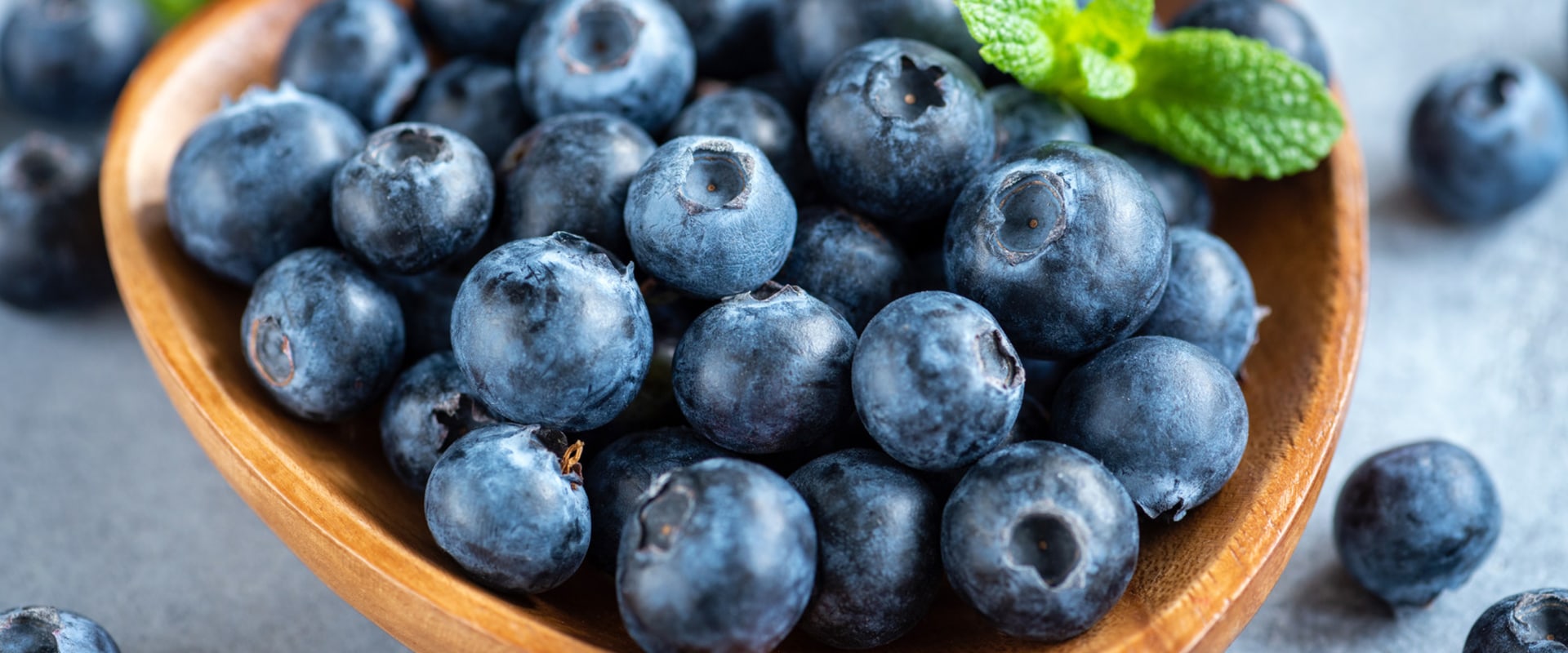
Bilberry, a small, dark blue fruit closely related to the blueberry, has been cherished for centuries, particularly in European herbal traditions. Known scientifically as Vaccinium myrtillus, this berry thrives in the wild, predominantly in the cooler climates of Europe and North America. Its rich history dates back to ancient times when it was utilized not only for its delightful flavor but also for its potential health benefits. Today, bilberry is gaining traction as a natural remedy, celebrated for its impressive array of medicinal properties. The growing interest in bilberry can be attributed to its high concentration of antioxidants, particularly anthocyanins, which are responsible for its vibrant color.
These compounds are believed to play a crucial role in combating oxidative stress and inflammation within the body. As more individuals seek natural alternatives to conventional medicine, bilberry has emerged as a popular choice among those looking to enhance their overall well-being. In addition to its antioxidant properties, bilberry is often touted for its potential benefits related to eye health. Traditional uses include improving night vision and alleviating eye strain, making it a favored supplement among those who spend long hours in front of screens. Furthermore, research suggests that bilberry may support cardiovascular health by promoting healthy circulation and reducing the risk of heart-related issues. As we delve deeper into the world of bilberry, it becomes evident that this humble berry offers much more than meets the eye.
From its origins and traditional uses to its modern applications in herbal medicine, understanding the full scope of bilberry benefits is essential for anyone considering incorporating this powerful fruit into their health regimen.
What is Bilberry?
Bilberry, scientifically known as Vaccinium myrtillus, is a small shrub belonging to the Ericaceae family, which also includes other well-known berries such as blueberries and cranberries. This perennial plant is native to Europe and parts of Asia, thriving in acidic, nutrient-poor soils typically found in forests and heathlands. The bilberry plant is characterized by its low-growing stature, usually reaching heights of about 15 to 50 centimeters (6 to 20 inches). Its leaves are oval-shaped, measuring approximately 1 to 3 centimeters in length, and exhibit a glossy green appearance. In the fall, these leaves turn a vibrant red or yellow, adding a splash of color to the landscape.The flowers of the bilberry are bell-shaped and typically appear in clusters during late spring, ranging from white to pale pink in color. One of the most distinctive features of the bilberry is its fruit. The berries are small, round, and usually dark blue or black with a waxy coating. They measure about 5 to 10 millimeters in diameter and are often confused with blueberries due to their similar appearance. However, bilberries tend to be smaller and have a more intense flavor profile, often described as tart and slightly sweet. Bilberries grow best in cool climates with ample sunlight and well-drained soil.
They are commonly found in wild settings across Europe, particularly in Scandinavia, where they are harvested for both culinary and medicinal purposes. The plant prefers acidic conditions and can often be found in areas with heather or moss. In addition to their culinary uses, bilberries have been traditionally valued for their health benefits. Rich in antioxidants, vitamins, and minerals, these berries have been linked to various health advantages, including improved vision and enhanced cardiovascular health. Understanding the characteristics of the bilberry plant not only highlights its unique botanical features but also sets the stage for appreciating its numerous bilberry benefits.
Nutritional Profile of Bilberry
Bilberries, often confused with blueberries, are small, dark blue fruits that pack a powerful nutritional punch.These berries are not only delicious but also rich in essential nutrients that contribute to various health benefits. Understanding the nutritional profile of bilberries is crucial for anyone looking to incorporate them into their diet.
Vitamins in Bilberries
- Vitamin C: Bilberries are an excellent source of vitamin C, which is vital for immune function, skin health, and antioxidant protection. A single serving can provide a significant portion of the daily recommended intake.
- Vitamin A: This vitamin is important for vision and skin health. Bilberries contain beta-carotene, which the body converts into vitamin A.
- Vitamin K: Essential for blood clotting and bone health, vitamin K is present in bilberries, contributing to overall wellness.
- B Vitamins: Bilberries also contain several B vitamins, including B6 and folate, which play a role in energy metabolism and brain health.
Minerals Found in Bilberries
- Manganese: This trace mineral is crucial for bone formation, blood sugar control, and antioxidant defenses.
Bilberries are a good source of manganese.
- Copper: Copper aids in iron absorption and supports cardiovascular health. The presence of copper in bilberries enhances their nutritional value.
- Iron: While not as high as some other fruits, bilberries do contain iron, which is essential for oxygen transport in the blood.
- Potassium: Important for heart health and muscle function, potassium helps regulate blood pressure and fluid balance in the body.
Antioxidants in Bilberries
One of the standout features of bilberries is their high antioxidant content. They are particularly rich in anthocyanins, the compounds responsible for their deep blue color. These antioxidants help combat oxidative stress and inflammation in the body, potentially reducing the risk of chronic diseases such as heart disease and diabetes. The combination of vitamins, minerals, and antioxidants makes bilberries a nutrient-dense food that can support overall health.
Incorporating these berries into your diet can be a delicious way to enhance your nutritional intake while enjoying their unique flavor.
Health Benefits of Bilberry
Bilberry, a small dark blue fruit closely related to blueberries, has garnered attention for its numerous health benefits. Rich in antioxidants, vitamins, and minerals, bilberry is not only a delicious addition to your diet but also a powerful ally in promoting overall health.Eye Health
One of the most well-known bilberry health benefits is its positive impact on eye health. Bilberries contain high levels of anthocyanins, which are potent antioxidants that help protect the eyes from oxidative stress. Research has shown that these compounds can improve night vision and may reduce the risk of age-related macular degeneration (AMD) and cataracts. A study published in the journal Ophthalmology found that participants who consumed bilberry extract experienced significant improvements in visual acuity and contrast sensitivity.
This suggests that bilberry may enhance overall eye function, making it a valuable supplement for those concerned about their vision.
Cardiovascular Health
Bilberry is also linked to improved cardiovascular health. The antioxidants found in bilberries help reduce inflammation and lower blood pressure, which are crucial factors in preventing heart disease. A study in the American Journal of Clinical Nutrition indicated that regular consumption of bilberry extract could lead to a decrease in LDL cholesterol levels, often referred to as "bad" cholesterol.
Furthermore, bilberries may enhance blood circulation by strengthening blood vessels and improving endothelial function. This can lead to better oxygen delivery throughout the body, promoting overall cardiovascular wellness.
Anti-Inflammatory Properties
The anti-inflammatory properties of bilberry are another significant aspect of its medicinal uses.
Chronic inflammation is linked to various health issues, including arthritis, diabetes, and heart disease. Bilberry's rich antioxidant profile helps combat inflammation at the cellular level.
A review published in Phytotherapy Research highlighted that bilberry extracts could inhibit inflammatory markers in the body, suggesting its potential as a natural remedy for inflammatory conditions. Incorporating bilberries into your diet may help mitigate symptoms associated with chronic inflammation.
Conclusion
In summary, the health benefits of bilberry extend beyond its delightful taste. From supporting eye health and enhancing cardiovascular function to providing anti-inflammatory effects, this small fruit packs a powerful punch.
As research continues to unveil its potential, incorporating bilberries into your diet can be a simple yet effective way to boost your overall health.
Bilberry and Eye Health
Bilberry, a close relative of the blueberry, has garnered attention for its potential benefits in promoting eye health. Rich in antioxidants, particularly anthocyanins, bilberries are believed to play a significant role in maintaining and improving vision. These compounds help combat oxidative stress, which can lead to various eye conditions. One of the most notable benefits of bilberry is its potential to aid in the prevention of macular degeneration , a leading cause of vision loss among older adults. Macular degeneration occurs when the macula, the part of the retina responsible for sharp central vision, deteriorates.Research suggests that the antioxidants found in bilberries may help protect retinal cells from damage caused by free radicals and inflammation.
Bilberry for Vision Enhancement
In addition to its protective effects, bilberry may also enhance overall vision. Some studies indicate that bilberry extracts can improve night vision and visual acuity. This is particularly beneficial for individuals who experience difficulty seeing in low-light conditions. The anthocyanins in bilberries are thought to improve blood circulation to the eyes, thereby enhancing their function.How Bilberry Works
The mechanism behind bilberry's eye health benefits lies in its ability to strengthen capillaries and improve blood flow to the retina.This enhanced circulation not only nourishes the eye but also helps remove waste products that can accumulate and contribute to vision problems. Furthermore, bilberries may reduce the risk of cataracts by protecting lens proteins from oxidative damage. Incorporating bilberries into your diet can be simple and delicious. They can be consumed fresh, dried, or as an extract in supplement form. However, it is essential to consult with a healthcare professional before starting any new supplement regimen, especially for those with existing health conditions or those taking medications. In conclusion, the potential benefits of bilberry for eye health are promising.
From preventing macular degeneration to enhancing overall vision, this small berry packs a powerful punch when it comes to maintaining eye health. As research continues to unfold, bilberry may become an essential component of dietary strategies aimed at preserving vision as we age.
How to Incorporate Bilberry into Your Diet
Incorporating bilberry into your diet can be both enjoyable and beneficial. Whether you prefer fresh berries, dried forms, or supplements, there are numerous ways to enjoy this superfood.Fresh Bilberries
Fresh bilberries can be a delightful addition to various dishes. Here are some ideas:- Smoothies: Blend fresh bilberries with yogurt, spinach, and a banana for a nutrient-packed smoothie.
- Salads: Toss fresh bilberries into a mixed green salad with goat cheese, walnuts, and a light vinaigrette for a refreshing twist.
- Pancakes: Add bilberries to your pancake batter for a burst of flavor and antioxidants.
Dried Bilberries
Dried bilberries are versatile and can be used in various recipes:- Granola: Mix dried bilberries into your homemade granola for added sweetness and health benefits.
- Baking: Incorporate dried bilberries into muffins or bread for a deliciously fruity flavor.
- Trail Mix: Combine dried bilberries with nuts and seeds for a healthy snack on the go.
Bilberry Supplements
If you prefer the convenience of supplements, bilberry extracts are widely available in capsule or liquid form.Here are some tips for using bilberry supplements effectively:
- Dosage: The typical dosage ranges from 160 mg to 480 mg per day, depending on the concentration of the extract. Always follow the manufacturer's instructions or consult with a healthcare professional.
- Timing: Taking bilberry supplements with meals may enhance absorption and reduce potential digestive discomfort.
- Combination: Consider pairing bilberry supplements with other antioxidants like vitamin C or E to maximize their health benefits.
Potential Side Effects and Risks of Bilberry Consumption
While bilberry is celebrated for its numerous health benefits, it is essential to be aware of potential side effects and risks associated with its consumption. Understanding these factors can help individuals make informed decisions about incorporating bilberry into their diets.Possible Side Effects
- Gastrointestinal Issues: Some individuals may experience digestive discomfort, including nausea, diarrhea, or stomach cramps after consuming bilberry or its extracts.
These symptoms are often mild but can be bothersome for some users.
- Allergic Reactions: Although rare, allergic reactions to bilberry can occur. Symptoms may include itching, rash, or swelling. If you experience any of these symptoms after consuming bilberry, it is advisable to discontinue use and consult a healthcare professional.
- Blood Sugar Levels: Bilberry has been shown to lower blood sugar levels. While this can be beneficial for those managing diabetes, it may pose a risk for individuals on blood sugar-lowering medications.
Monitoring blood sugar levels closely is crucial for those in this category.
Risks of Excessive Consumption
Like many natural supplements, moderation is key when it comes to bilberry. Excessive consumption can lead to more severe side effects:
- Hypoglycemia: Overconsumption of bilberry may lead to dangerously low blood sugar levels, especially in individuals already taking medications for diabetes.
- Interactions with Medications: Bilberry may interact with certain medications, particularly anticoagulants and antiplatelet drugs. This interaction could increase the risk of bleeding. Always consult with a healthcare provider before combining bilberry with other treatments.
Who Should Avoid Bilberry?
Certain groups should exercise caution or avoid bilberry altogether:
- Pregnant and Breastfeeding Women: Due to limited research on the safety of bilberry during pregnancy and lactation, it is best for women in these categories to avoid its use unless advised by a healthcare professional.
- Individuals with Allergies: Those who have known allergies to berries or related plants should avoid bilberry to prevent allergic reactions.
- People on Specific Medications: If you are taking medications that affect blood sugar levels or blood clotting, consult your doctor before adding bilberry to your regimen.
By understanding these factors and consulting with healthcare professionals when necessary, individuals can safely enjoy the advantages of this remarkable berry.
Who Should Consider Using Bilberry?
Bilberry, a close relative of the blueberry, has gained attention for its potential health benefits. However, not everyone should consider using bilberry supplements or extracts. Understanding who can benefit from bilberry and who should avoid it is crucial for safe consumption.Who Can Use Bilberry?
Several groups of individuals may find bilberry beneficial:- Individuals with Vision Issues: Bilberry is often recommended for those experiencing vision problems, particularly night blindness and age-related macular degeneration. Its high antioxidant content may help improve overall eye health.
- Diabetics: Some studies suggest that bilberry may help regulate blood sugar levels and improve insulin sensitivity, making it a potential supplement for individuals managing diabetes.
- People with Circulatory Problems: Bilberry may enhance circulation and strengthen blood vessels, which can be beneficial for those suffering from conditions like varicose veins or chronic venous insufficiency.
Who Should Avoid Bilberry?
While bilberry can offer numerous benefits, certain individuals should exercise caution or avoid it altogether:- Pregnant and Breastfeeding Women: There is limited research on the safety of bilberry during pregnancy and lactation.
Therefore, it is advisable for pregnant or breastfeeding women to consult a healthcare professional before using bilberry supplements.
- Individuals on Blood Thinners: Bilberry may have anticoagulant properties, which could enhance the effects of blood-thinning medications like warfarin. Those on such medications should consult their doctor before adding bilberry to their regimen.
- People with Allergies: Individuals with known allergies to berries or related plants should avoid bilberry to prevent allergic reactions.
Consultation is Key
Before incorporating bilberry into your health routine, it’s essential to consult with a healthcare provider, especially if you have underlying health conditions or are taking medications. This ensures that you can safely enjoy the potential benefits of bilberry while minimizing any risks associated with its use.Frequently Asked Questions about Bilberries
As the interest in bilberries continues to grow, many people have questions about their benefits, safety, and usage. Below are some of the most frequently asked questions regarding bilberries.What are bilberries?
Bilberries (Vaccinium myrtillus) are small, dark blue berries that are closely related to blueberries.They are native to Europe and are often found in mountainous regions. Bilberries have been used for centuries in traditional medicine due to their rich antioxidant content and potential health benefits.
What are the health benefits of bilberries?
- Rich in Antioxidants: Bilberries contain high levels of anthocyanins, which are powerful antioxidants that help combat oxidative stress in the body.
- Eye Health: Some studies suggest that bilberries may improve night vision and overall eye health by enhancing blood circulation to the eyes.
- Anti-Inflammatory Properties: The anti-inflammatory effects of bilberries may help reduce inflammation in the body, potentially benefiting conditions like arthritis.
- Heart Health: Regular consumption of bilberries may support cardiovascular health by improving cholesterol levels and reducing blood pressure.
Is bilberry safe to consume?
Generally, bilberry is considered safe for most people when consumed in moderate amounts as part of a balanced diet. However, it is important to be cautious with bilberry supplements, as they can vary in concentration and potency. Always consult with a healthcare professional before starting any new supplement regimen, especially if you have underlying health conditions or are pregnant or breastfeeding.Can bilberry interact with medications?
Yes, bilberry may interact with certain medications, particularly those that affect blood sugar levels or blood clotting.If you are taking medications for diabetes or anticoagulants, it is crucial to discuss bilberry use with your doctor to avoid any potential interactions.
How can I incorporate bilberries into my diet?
Bilberries can be enjoyed fresh or dried and can be added to various dishes. Consider incorporating them into smoothies, yogurt, oatmeal, or baked goods for a nutritious boost. Bilberry extracts and supplements are also available for those looking for concentrated doses. If you have more questions about bilberries or their benefits, feel free to reach out to a healthcare provider or a nutritionist for personalized advice.Conclusion: The Bottom Line on Bilberries
In summary, bilberries are a remarkable fruit that offer a variety of health benefits, primarily due to their rich antioxidant content and anti-inflammatory properties. These small, dark berries have been linked to improved vision, enhanced cardiovascular health, and better blood sugar regulation.However, as with any supplement or natural remedy, it is crucial to approach bilberry consumption with caution and awareness.
Key Benefits of Bilberries:
- Vision Support: Bilberries are renowned for their potential to improve night vision and overall eye health.
- Cardiovascular Health: The antioxidants in bilberries may help reduce the risk of heart disease by improving circulation and lowering blood pressure.
- Blood Sugar Regulation: Some studies suggest that bilberries can aid in managing blood sugar levels, making them beneficial for individuals with diabetes.
A holistic approach to health—incorporating a variety of fruits, vegetables, and lifestyle choices—is the best way to achieve optimal well-being. By understanding the benefits and potential risks associated with bilberries, you can make informed decisions that align with your health goals.